
From Winter Issue 60
Nigerian musician Adekunle Gold sits down with Glass Man to speak about his boyhood dreams of musical success, influential collaborations and opening up about having sickle cell disease
“I want to be remembered for being the guy that was born with sickle cell and did it,” concludes Adekunle Gold when I ask what he wants his legacy to be. After 10 years at the forefront of the Afrobeats scene, the 37-year-old hopes that a story that began with a perpetual cycle of rejections now stands as a testament to inner strength, inspiring the next generation.
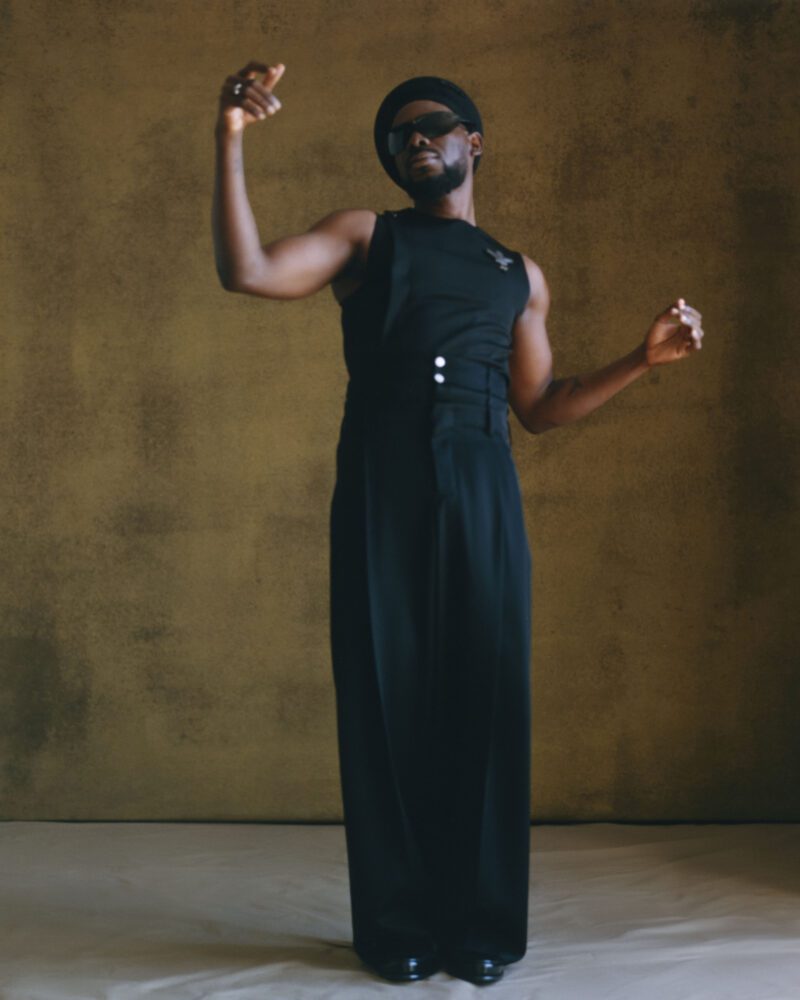
Photographer: Julius Frazer
Turning a random freestyle while stuck in traffic in 2013 into the hit single, Sade, the musician can now look proudly at his track record, which boasts five critically acclaimed studio albums and features collaborations with the likes of Pharrell Williams, Khalid and Stefflon Don, to name a few.
Reflecting on the many highs of the past decade, he is keen to squash the unjust stigmatisation of the inherited blood disorder through his charity, Adekunle Gold Foundation. It’s clear that he is an example of someone who has embodied the full throttle of what has come his way and manifested a good outcome, arriving at a pivotal juncture where happiness and success have managed to thrive simultaneously.
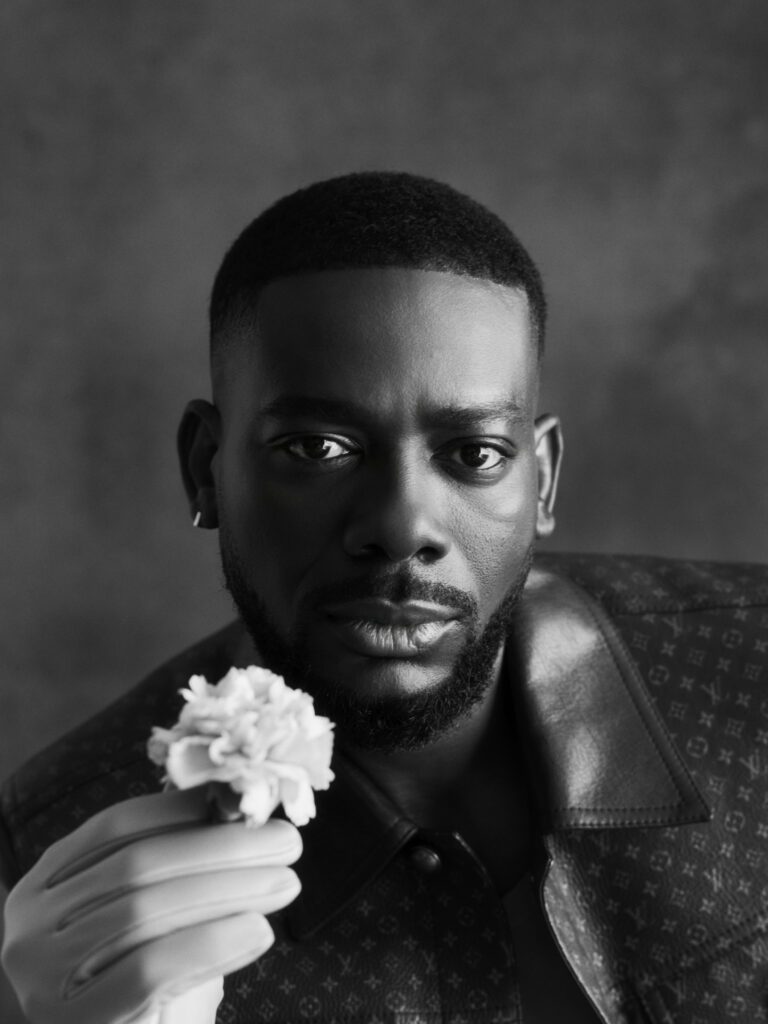
Photographer: Julius Frazer
How did music first enter your life in your childhood?
I grew up in a Muslim family and my dad had just started allowing us to go to church as we were interested in it. When I went, I joined the choir as I was fascinated by the idea of learning songs, learning different harmonies, and just singing in front of hundreds of people. I was that kid who wanted one of the two spots, the spots of the favourites that led the church song, but I was never picked. I wanted that spot so bad. After coming back from choir practice, my aunt used to teach us different songs. Every time my dad took us to school, he used to play classics like King Sunny Adé and Ebenezer Obey. I was fascinated by the idea of music, from listening and enjoying it, to singing.
Now that I had picked my interest in music, I started to go to different talent shows. I went to one called MTN Project Fame West Africa and formed a boyband with my best friend Michael. I was the writer of the group – I wrote everything and he was more the producer. He knew how to play the keyboard, how to play the drums, he knew how to play all the instruments. I didn’t know shit, my only instrument was my voice. I went for different auditions and never made it through any as they didn’t think I was good enough. I just knew that I loved it. It was the curiosity that drove me.
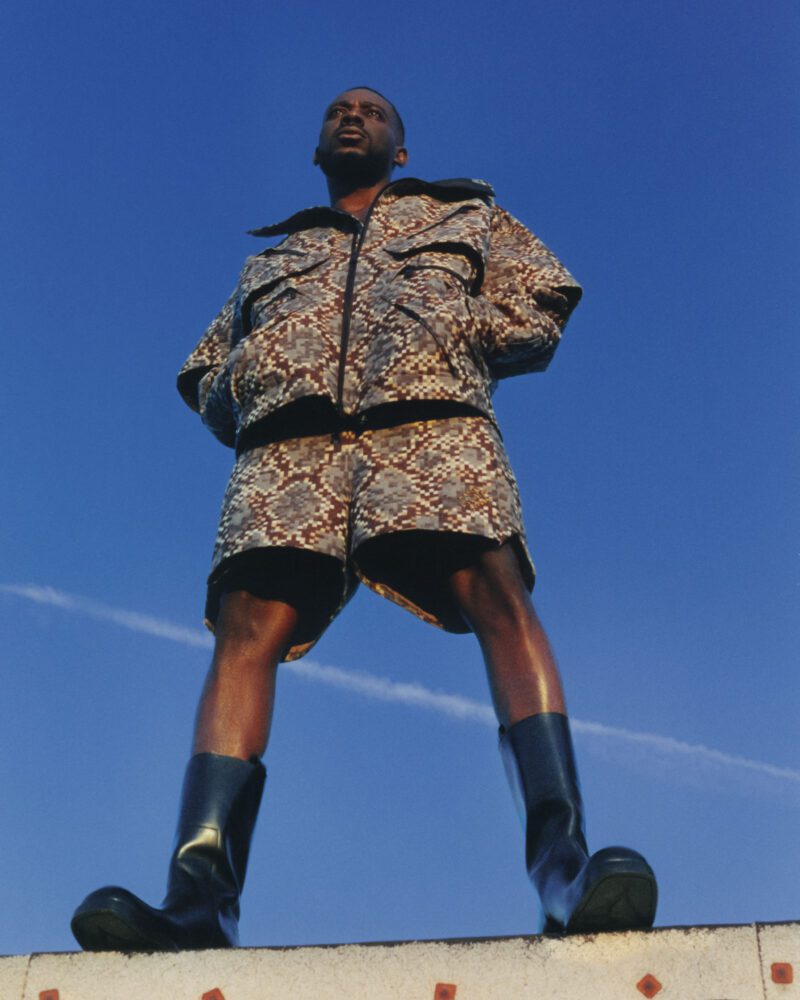
Photographer: Julius Frazer
Was this the point where you realised that you wanted to pursue music as a career?
At that point I don’t think that I knew that I wanted to do it forever – it was about the joy it gave me. I was enjoying wherever it took me. If there was a concert somewhere, even if my band hadn’t been booked, we would find a way to get a slot. There was nothing that I enjoyed more than music.
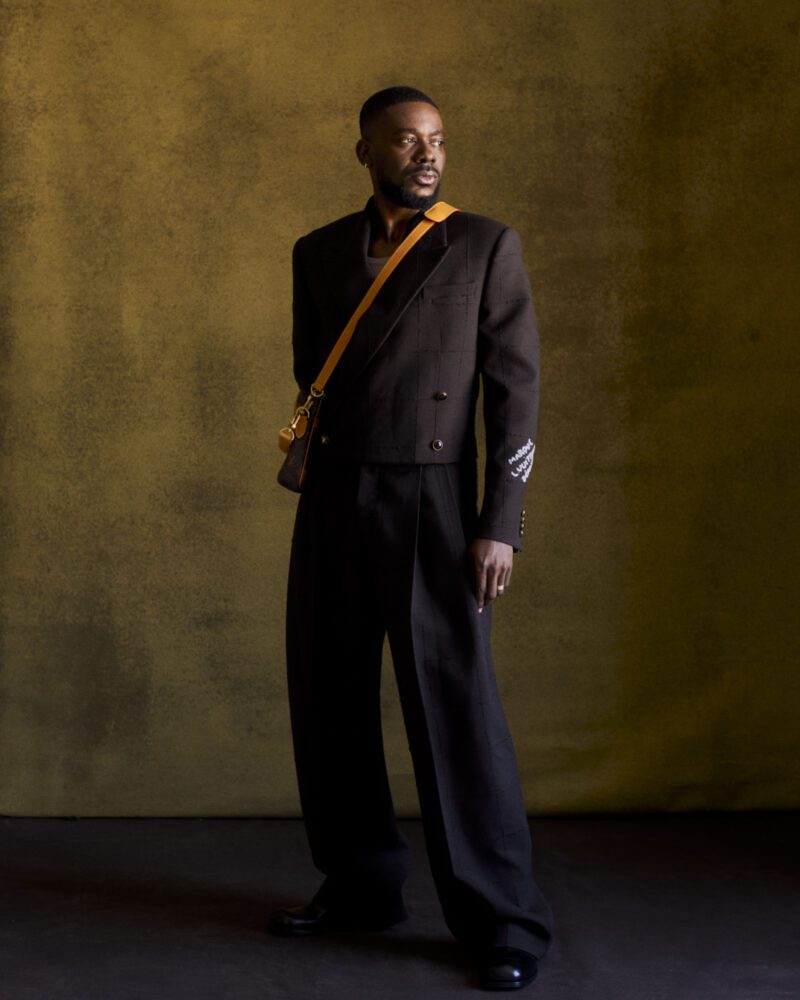
Photographer: Julius Frazer
In 2014, you released Sade, which gained a widespread audience and critical acclaim. What was the lead up to this and what transpired afterwards?
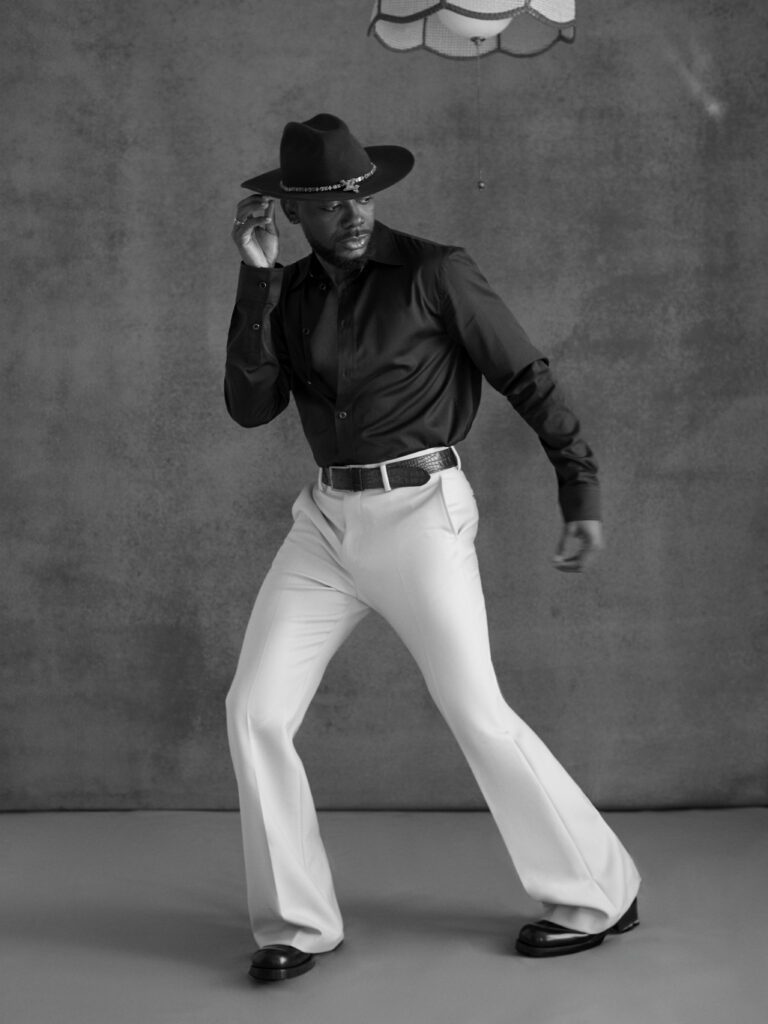
One evening I was returning from work – I studied graphics at school and was a brand developer – and if you know anything about Lagos traffic then the only thing that keeps you sane is music. You need to listen to music, listen to the radio. Then Story of My Life by One Direction came up on the radio and I had never heard it before. There was a break in the instrumental and I started freestyling my own chorus. I realised it sounded good, so I recorded it – this was around May 2013. I left it there, I didn’t do anything about it. In 2014, the company I was working for wasn’t making enough money so they let me go, which made me think “yikes, what am I going to do now?”. I’d just started enjoying the job and making good money. I thought it might be a good time to try this dream of mine, something that I had always wanted to do. I decided I wanted to make an EP, like talk about the story of my life, no pun intended. When I wrote Sade it felt like I didn’t need an EP anymore. I thought the song was great but I didn’t think it would do anything for me. I remember we released it on December 19, 2014, and in less than two weeks it became a sensation. I guess this is where it started.
Photographer: Julius Frazer
Having released five albums so far, your sonic evolution is quite evident, from your debut, Gold, to your fifth, Tequila Ever After. How have you managed to consistently step into a new, more updated realm?
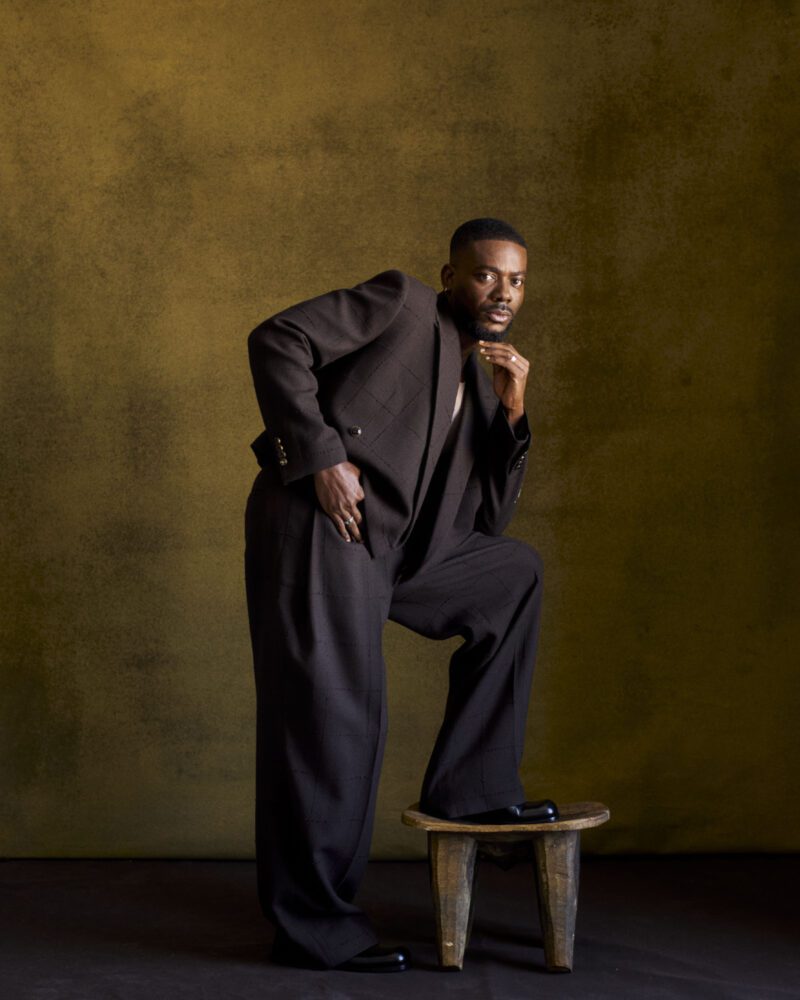
I think that the point of life is to grow and embrace growth. Painters don’t paint the same things, they always try new things. They go to the studio, pick up their paintbrushes and they just go. This is how I have approached my music without the fear of whether people like it. Don’t get me wrong though, there have been times when I [was unsure of myself] but I have always reminded myself that the point is to create. The point is to grow. I am not the same person as I was yesterday, let alone five years ago.
Photographer: Julius Frazer
Is a sixth studio album on the horizon?
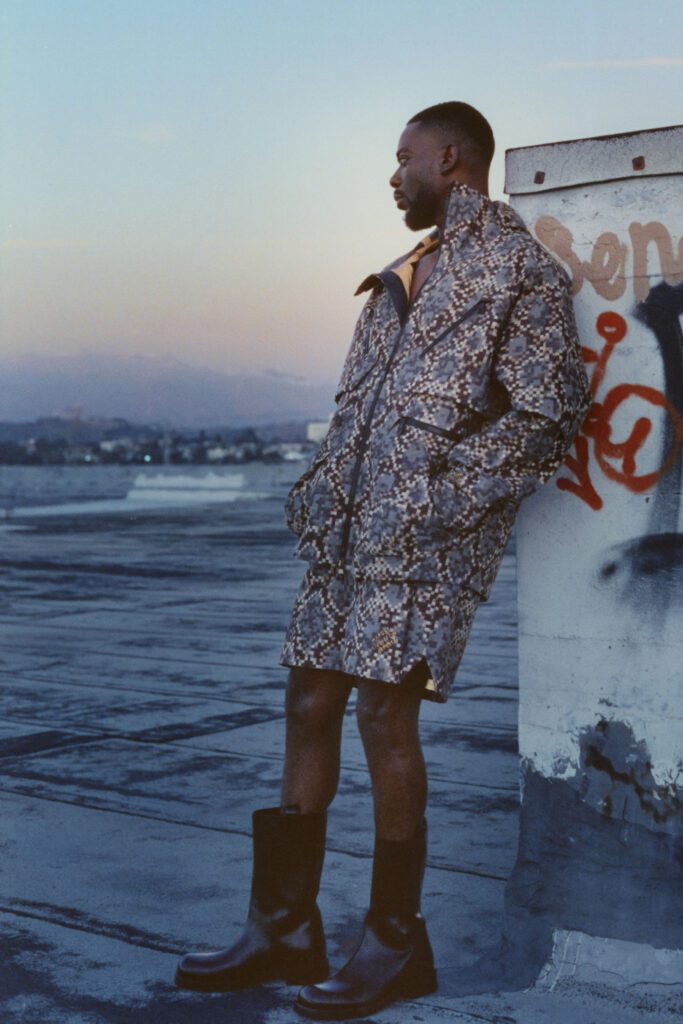
I am honestly not even thinking about an album right now. What I am currently doing right now is being still. It feels like for the past few years I have been running and I haven’t paused. I haven’t really sat down and thought about the fact I actually did it. This [slow-down] time though has influenced the way I create music. I feel like I am making my best art. I am enjoying time with my family and it’s shining through every time I step into this seat, the one I am speaking to you in. I put my mic close and I just go for it. I am loving this process so much more than just running.
Photographer: Julius Frazer
You have collaborated with the likes of Pharrell, Nile Rodgers, TY Dolla Sign, Lucky Daye and more – what have you learnt from being in the studio with others?
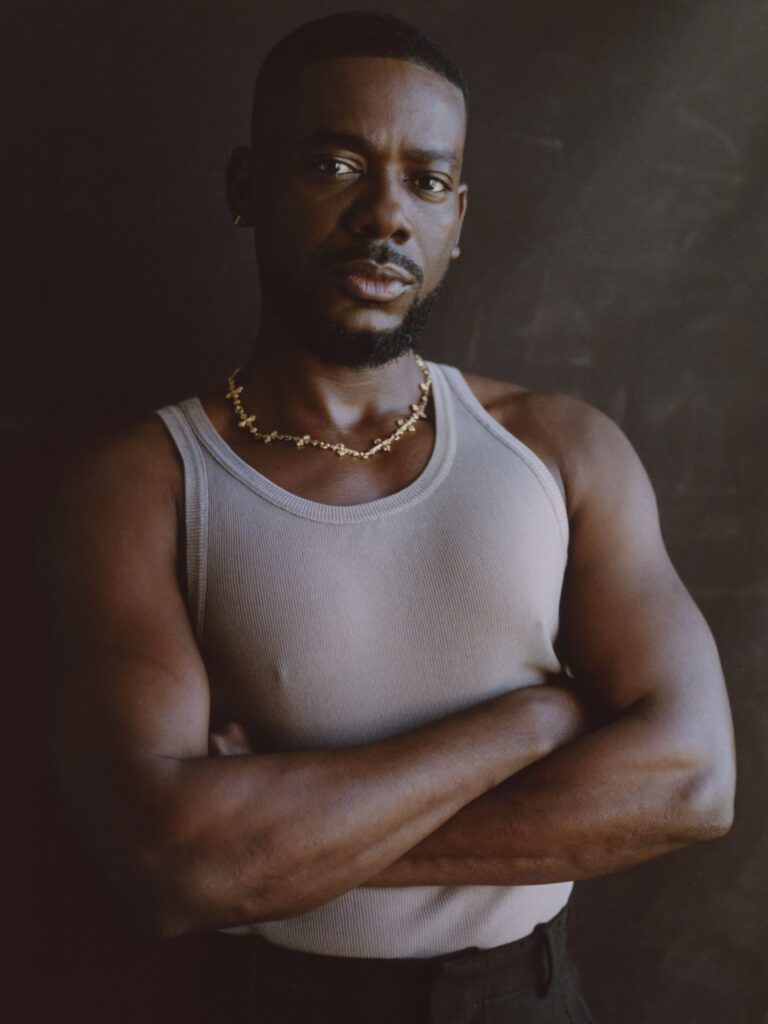
Let me start with Habib [Koité], a guitarist and beautiful singer from Mali. When I was in school, if you had a laptop in the 2000s, there would be songs that were preinstalled on the Windows Media Player – you were basically forced into listening to them as there was no other option. I would randomly listen to the songs and one of them was by Habib Koité. Even though I didn’t understand a word he was saying, I remember saying to myself, if I ever make it I will find him and work with him. So when I was working on Tequila Ever After, I found his contact and travelled all the way to Mali to find him. I sat with him at the bar he owns called Los Angeles. He gave me a bottle of tequila, which we drank and spoke about our experiences and family life. That was it, that was the essence. I felt so good meeting someone who I had adored for a long time and sharing stories.
In the same way, Pharrell changed my life with his words. There’s a tweet from him in 2011 that said “you are already that person, just put yourself in that place”. I saved the screenshot and I embodied it. So when I met him in Miami and he was producing a song with me, dropping vocals on it with Nile Rodgers too, it was insane. It felt so good. Pharrell told me that I am a unicorn. He watched me write my melodies and he said “everyone else is looking for melodies and you’re there in the corner just swiping through your mind to find the best one”. No one had ever analysed the way that I write music before. I just make sure I work with people who I connect with. I know collaboration means a lot of different things to other artists, but for me, it’s the connection.
Photographer: Julius Frazer
Who’s next on the list of collaborations?
I am going to find Bruno Mars, I don’t know how but I will.
Let’s pause, 10 years in. You touched upon defying the odds but do you feel you have achieved what you set out to do?
Definitely have. All I had was a dream. I was a young boy from Ikotun, Lagos. That’s where I grew up, where I am from. At that time, people didn’t dream like this. I had a dream despite not knowing how much better it could be. I didn’t see better anywhere, I just knew there was better somewhere. Seeing everything that I have done, going from being afraid that I may never write a better song than Orente or Ire to making five albums. I look back to the day I lost my job and the decision I made to give this thing that makes me so happy a chance. I am so grateful.
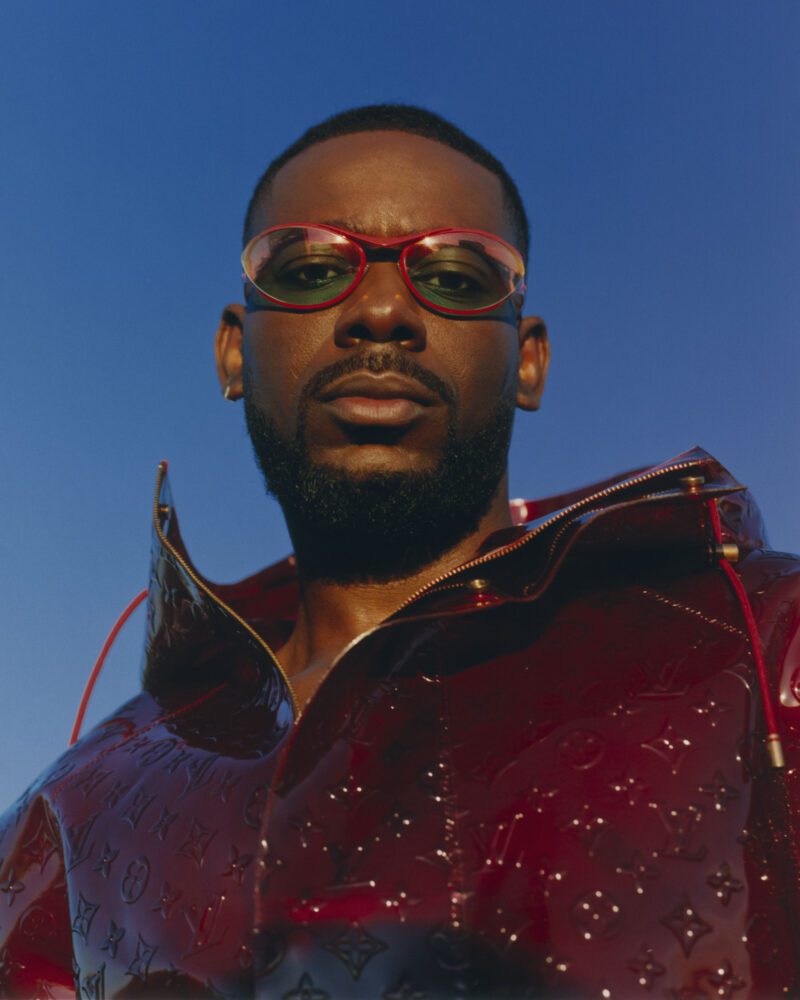
Photographer: Julius Frazer
Two years ago, you revealed that you have Sickle Cell disease – what made you feel like that was the right time to speak about it?
If you know anything about people who live with sickle cell, they are afraid to talk about it because it comes with stigmatisation. Even before the internet, it was something I was too afraid to speak about when I was growing up. People would look at you differently and treat you as fragile. I have lived with it to this point and I knew that people would find strength in it – understanding that they can go out there and dream. I decided to finally say it in 5 Star. When I said it, just as I envisioned, a lot of people found ways to troll me, but that’s OK – I’m good. I am doing it for the child in me and the kids going through it right now.
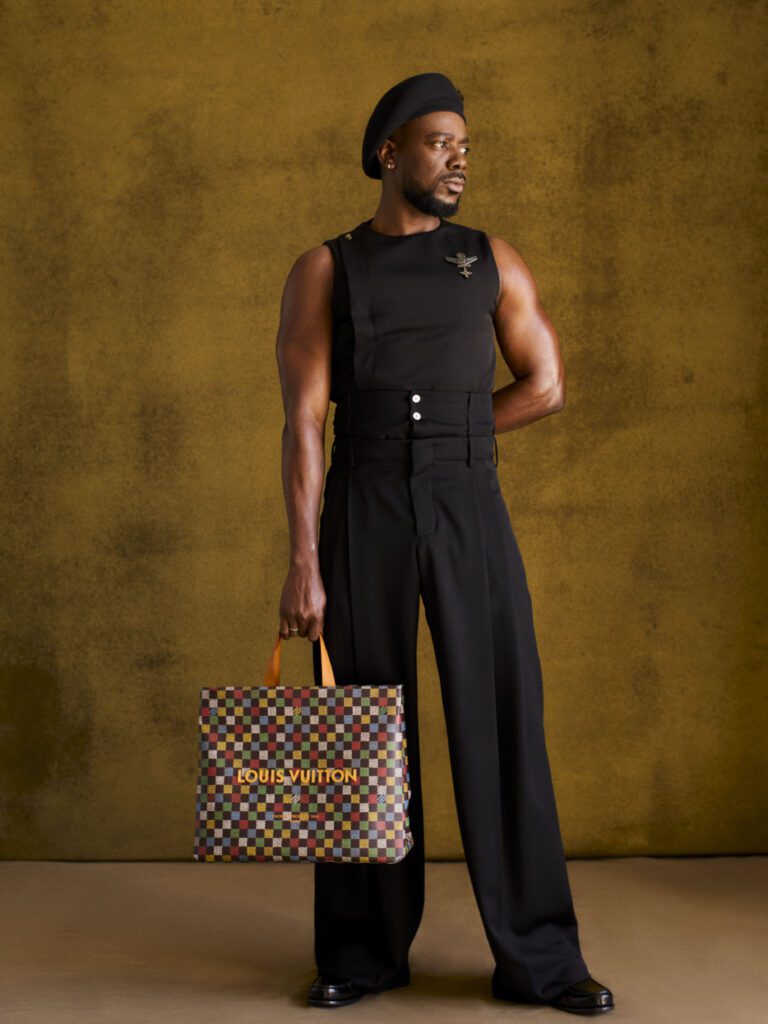
Photographer: Julius Frazer
Finally, what does music give you that the rest of your life doesn’t?
Music allows me to express myself. I’m a storyteller and a visual artist but writing in melodies allows me the freedom to tell stories in unconventional ways and to connect with people without boundaries, no matter what language I sing in. Melodies are universal.
by Imogen Clark
Photographer: Julius Frazer
Stylist: Ugo Mozie
Groomer: Aniya Nandy using KIEHL’S and DANESSA MYRICKS BEAUTY
Set designer: Cody Rogers
Set assistant: Eve Axness
Photography assistant: Gem Hale
Producer: Tarayn Sanders
Talent: Adekunle Gold
All clothing and accessories LOUIS VUITTON SS25 Menswear Collection