
MILAN, ITALY — Making its Italian debut with La Scala’s ballet company, Christopher Wheeldon’s brilliant adaptation of Alice’s Adventures in Wonderland arrives in Milan for its first-ever performances in the country.
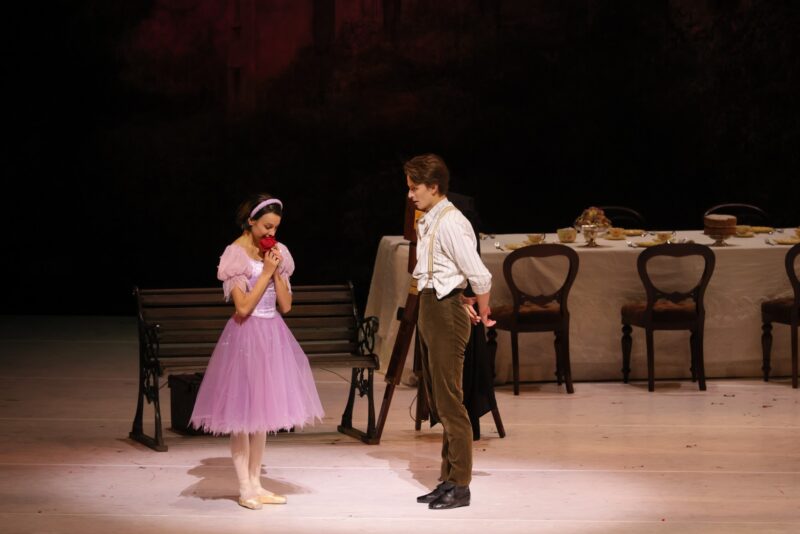
Agnese Di Clemente and Navrin Turnbullph | Brescia e Amisano © Teatro alla Scala
A huge success since its 2011 premiere, the production has established Wheeldon as one of the most electrifying contemporary choreographers of his generation, celebrated for his originality and ability to engage audiences through modern narrative ballet. Often described as a modern-day classic, the work blends classical technique with a strong gestural sensibility.
Commissioned by the company’s artistic director Frédéric Olivieri, the three-act ballet packs a punch with its many underlying themes, while making a compelling case for richly drawn roles and versatility. An explosion of colour, both innovative and sophisticated, accompanies a score that combines atmospheric soundscapes with melodies evocative of 19th-century productions.
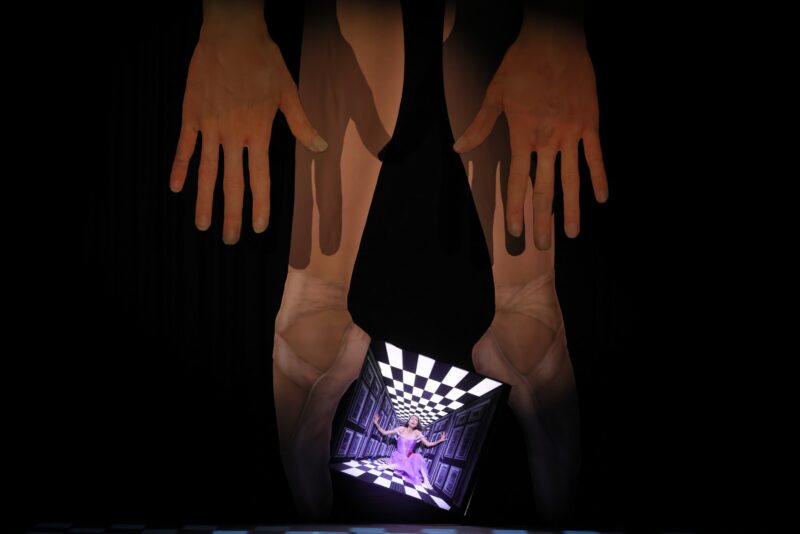
Agnese Di Clemente | ph Brescia e Amisano © Teatro alla Scala
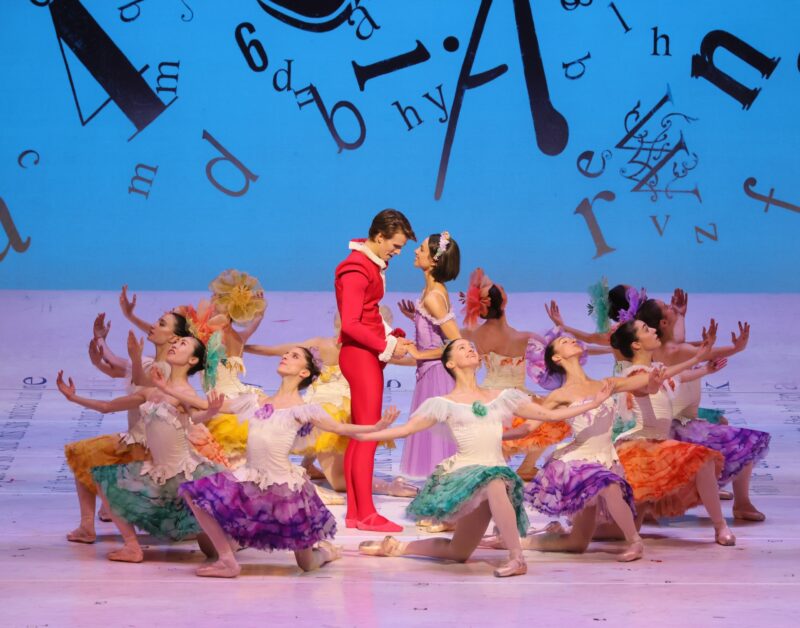
Di Clemente & Turnbull e il Corpo di | ph Brescia e Amisano © Teatro alla Scala
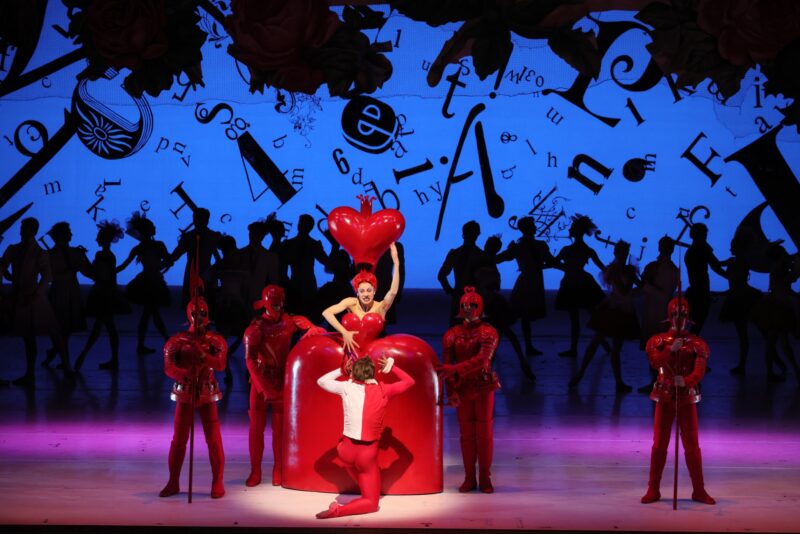
Manni Turnbull | ph Brescia e Amisano © Teatro alla Scala
Alongside Alice is a host of extraordinary characters, from the Queen of Hearts, who delivers a hilarious parody of the famous Rose Adagio from Sleeping Beauty, to a corps de ballet of playing cards, a Caterpillar, and a tap-dancing Mad Hatter.
On the podium is Koen Kessels, Music Director of the Royal Ballet at Covent Garden since the 2015–2016 season. He is deeply familiar with Joby Talbot’s score, a work notable for its use of unusual techniques and instruments to accompany Wheeldon’s characters. Each character is given a distinctive musical identity, with Talbot skillfully weaving the various thematic threads together.
On the operatic front, Riccardo Chailly adds his tenth Verdi title at La Scala with Nabucodonosor (better known as Nabucco), the four-act opera based on a libretto by Temistocle Solera. Verdi’s third opera and first major triumph premiered at La Scala on March 9, 1842, and remained in the repertoire throughout the mid-19th century under the abbreviated title Nabucco, first used during a revival in Corfu in 1844.
A landmark opera for both La Scala and the collective imagination, Nabucodonosor is dedicated to Gianandrea Gavazzeni on the thirtieth anniversary of his death and sixty years after he brought Nabucco back to the forefront of La Scala’s repertoire.
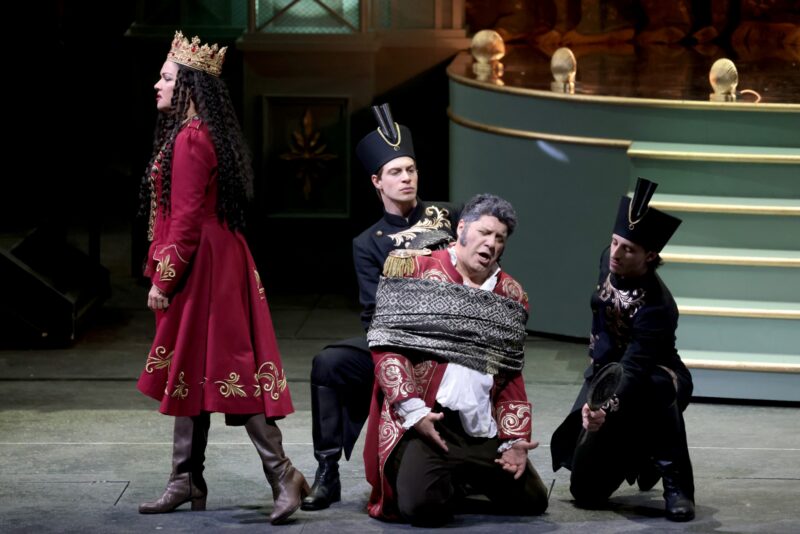
Luca Salsi e Anna Netrebko
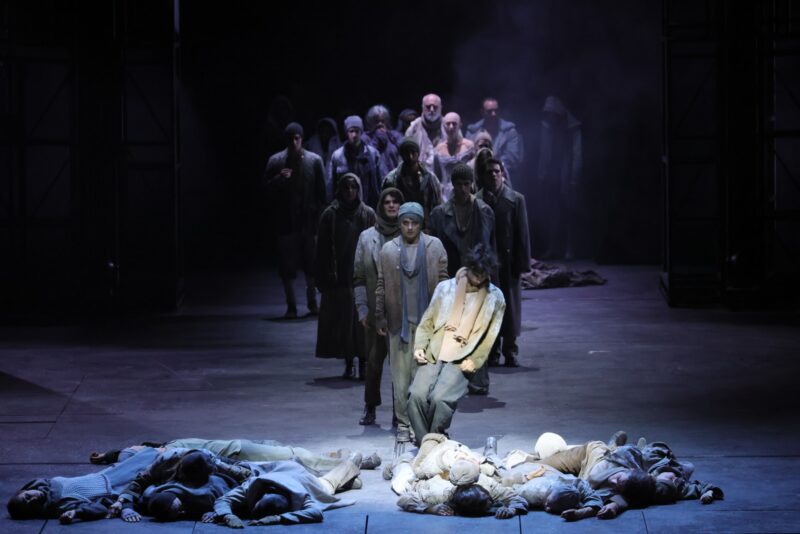
ph Brescia e Amisano © Teatro alla Scala
In recent years, Chailly has increasingly presented works at La Scala that he was conducting for the first time, including Boris Godunov, La rondine, The Weill Triptych, and La forza del destino. This season adds Lady Macbeth of the Mtsensk District and Nabucco, both featuring directors making their La Scala debuts.
Alessandro Talevi directs the production, with sets and costumes by Gary McCann, lighting and video design by Marco Giusti, choreography by Danilo Rubeca, special effects by Ran Arthur Braun, and magic effects by Masters of Magic. Talevi is regarded as one of the most established directors on the Italian and international scenes, thanks to the imaginative power of his productions.
by Chidozie Obasi