
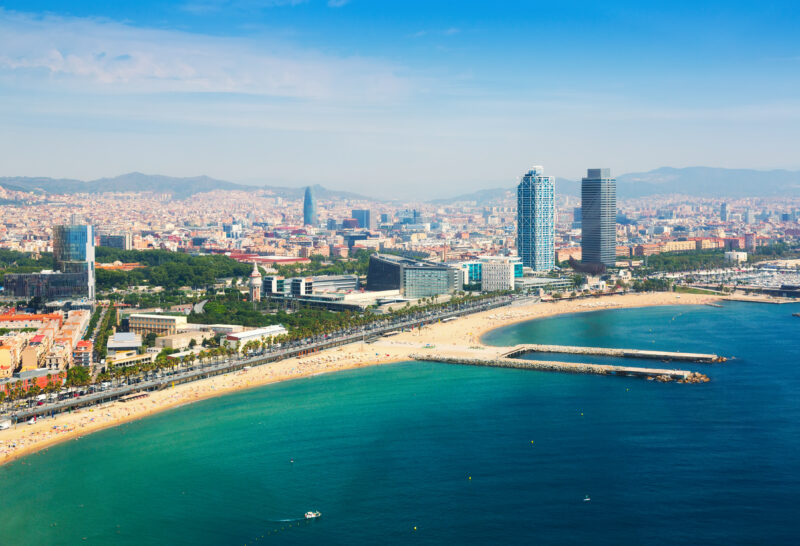
Catalonia is a stunning destination with a diverse landscape — from the peaks of the Pyrenees to the rugged coastline and the wetlands of the Ebro Delta. The region is home to medieval villages and impressive Roman and Greek ruins, as well as iconic architecture, vibrant traditions, and beautiful beaches along the Costa Brava. Catalonia’s gastronomy is another highlight not to be missed. If you’re planning a trip, this guide will inspire you with the best things to see and do across the region. If you are thinking of making a visit and would like to find the best things to do in Catalonia, this guide will inspire you.
Explore Barcelona: Art, Architecture and Nightlife
Catalonia’s capital, Barcelona, attracts thousands of visitors every year thanks to its extraordinary art, architecture, and Mediterranean spirit. Modernist architect Antoni Gaudí left an indelible mark on the city’s skyline, creating a unique architectural style that blends imagination, symbolism, and organic forms. His masterpieces, such as Casa Batlló, Casa Vicens, and the iconic Sagrada Família, continue to draw admirers from all over the world.
If you’re passionate about art and culture, Barcelona’s museums are a must. The National Art Museum of Catalonia (MNAC) houses one of Europe’s most important collections of Romanesque frescoes, as well as remarkable works of Catalan modernism. You can also visit the Picasso Museum, dedicated to the artist’s early years, or the Fundació Joan Miró, which showcases the vibrant and poetic universe of the Catalan painter.
When the sun sets, the city transforms into a lively hub of nightlife. Trendy neighbourhoods like El Born, Gràcia and Poblenou are filled with terraces, tapas bars, cocktail lounges and music venues that capture the city’s creative energy. From stylish rooftop bars with sea views to intimate jazz clubs and vibrant nightclubs, Barcelona’s nightlife offers something for every taste — cosmopolitan, diverse and full of rhythm.
Discover the Catalan Coast: Beaches and Sea Adventures
No trip to Catalonia is complete without exploring its stunning coastline. Stretching from the rugged coves of the Costa Brava to the golden sands of the Costa Daurada, the Catalan coast is a paradise for beach lovers and sea adventurers alike. This Mediterranean shoreline is famous for its long, sun-drenched beaches where gentle waves lap against the shore and for its crystal-clear waters ideal for swimming and water sports.
The beaches along the coast are family-friendly, with calm, shallow waters and easy access, as well as excellent facilities that make every visit comfortable and convenient. The Costa Brava is renowned for its dramatic cliffs, hidden coves with turquoise waters, and a wealth of outdoor activities such as snorkelling, kayaking and paddleboarding. Further south, the Costa Daurada offers wide, sandy beaches and a relaxed atmosphere that’s perfect for families and lovers of sailing, windsurfing and other water sports.
Throughout the summer, Catalonia’s coastal towns come alive with maritime festivals, fireworks displays and lively open-air concerts that capture the vibrant spirit of the Mediterranean.
The Pyrenees and Inland Catalonia: Outdoor Escapes
Catalonia offers countless outdoor escapes that showcase the region’s wilder and more authentic side. The Catalan Pyrenees are a must for nature lovers — a land of majestic peaks, glacial lakes and valleys dotted with charming stone villages. Each village preserves unique customs and traditions, and many come alive throughout the year with colourful local festivals celebrating fire, music and mountain life. The Pyrenees are perfect for hiking and mountain biking in summer, skiing in winter, and enjoying a wide range of outdoor adventures all year round.
Further south, inland Catalonia reveals a different but equally captivating landscape: rolling hills, fertile plains, vineyards and medieval towns where time seems to stand still. This rural heart of Catalonia — stretching across the regions of Lleida, La Segarra, and El Bages — offers visitors the chance to explore Romanesque monasteries, ancient castles and peaceful country trails. It’s also an excellent destination for agritourism, cycling routes, and slow travel experiences that connect you with local life and traditions.
For those seeking a deeper connection with nature, Catalonia’s national parks and UNESCO biosphere reserves provide endless opportunities for adventure and relaxation. Whether you’re hiking through Montseny Natural Park, rafting on the Noguera Pallaresa River, or unwinding at a wellness retreat surrounded by vineyards, inland Catalonia invites you to slow down and embrace its quiet beauty.
Cultural Heritage and Local Traditions
Catalonia is a land deeply rooted in history, where traditions are still very much alive and part of everyday life. Throughout the year, the region celebrates countless festivals that reflect its strong sense of identity and community spirit. Each event has its own customs — from lively parades and human towers to ancient fire rituals — offering visitors a vivid glimpse into Catalonia’s living heritage.
Beyond its festive calendar, Catalonia invites you to travel back in time through its beautifully preserved medieval towns such as Pals, Besalú and Peratallada. Strolling through their cobbled streets, you’ll discover Romanesque churches, arched bridges and stone towers that tell stories dating back to the Middle Ages. The 11th-century bridge of Besalú is one of the most emblematic landmarks of this heritage.
Among Catalonia’s most distinctive traditions are the castells — breathtaking human towers built during festivals — and UNESCO-listed celebrations such as La Patum of Berga, a spectacular explosion of fire, music and folklore that captures the region’s creative and communal soul.
H2. Flavours of Catalonia: A Culinary Journey
No visit to Catalonia would be complete without indulging in its rich and varied gastronomy. The region’s cuisine reflects its Mediterranean roots, combining mountain flavours with the bounty of the sea. Seasonal and local products play a starring role, turning even the simplest dishes into something unforgettable.
Be sure to taste calçots in winter — tender spring onions grilled over an open flame and served with romesco sauce — as well as hearty mountain recipes like olla aranesa and trinxat. Classic accompaniments such as allioli and seafood paella highlight Catalonia’s culinary diversity. From lively calçotades and tapas bars to creative Michelin-starred restaurants, every meal is a celebration of flavour and conviviality.
Food festivals across the region offer the perfect opportunity to experience authentic Catalan dishes and local wines. And for wine lovers, the vineyards of Penedès and Priorat are unmissable: follow their wine and cava routes to taste some of Spain’s most renowned sparkling and red wines amid breathtaking landscapes.
Events and Festivals You Shouldn’t Miss
Catalonia is alive with festivals all year round — each one reflecting its deep-rooted traditions, creativity and community spirit. From ancient rituals to cutting-edge music events, there’s always something to celebrate.
Some of the most iconic include La Mercè, Barcelona’s grand festival honouring the city’s patron saint, and the castells, or human towers, that symbolize teamwork and balance. In April, the streets of every town and village fill with books and roses during Sant Jordi, a day devoted to love and literature. Coastal towns like Calella de Palafrugell host the Cantada d’Havaneres, a charming summer night of traditional sea shanties sung by the water.
For music lovers, international events such as Primavera Sound and Sónar turn Barcelona into a global stage for the latest trends in pop, electronic and experimental music. Meanwhile, traditional celebrations like Els Tres Tombs, where horses parade through historic streets, offer a glimpse into Catalonia’s rural past.
No matter the season, Catalonia’s festivals are a vibrant expression of its culture — a perfect way to experience the warmth, creativity, and passion of its people.
Practical Tips for Your Catalonia Trip
Catalonia is a fantastic destination to visit at any time of year, but the best seasons to explore are spring (April to June) and autumn (September to October). During these months, the weather is mild and pleasant, and there are fewer crowds, making it ideal for sightseeing and outdoor adventures. Spring is perfect for hiking, cycling and discovering Catalonia’s natural parks, while autumn offers warm sea temperatures, colourful landscapes and a more relaxed atmosphere in the cities and along the coast.
If you don’t mind the hustle and bustle, summer (June to August) brings long, sunny days and lively energy. It’s the best time to enjoy the beaches of the Costa Brava and Costa Daurada, head into the mountains, or join one of the many cultural and music festivals that fill the calendar. Winter, on the other hand, is quieter and perfect for skiing in the Pyrenees or exploring Catalonia’s cultural heritage at a slower pace.
Whenever you choose to visit, Catalonia promises a rich mix of culture, nature and unforgettable Mediterranean charm.