
THE VISUAL emblems of Peru, like Machu Picchu and alpacas, are so indelibly established that viewing them for real is almost an anti-climax. Like the pyramids outside Cairo or the Eiffel Tower in Paris, the surprise comes when they appear looking just as you expect them to.
In Peru, however, what wins you over with unexpected wonder are not so much iconic sights but the audacious restaurants and hotels with Latin American panache.
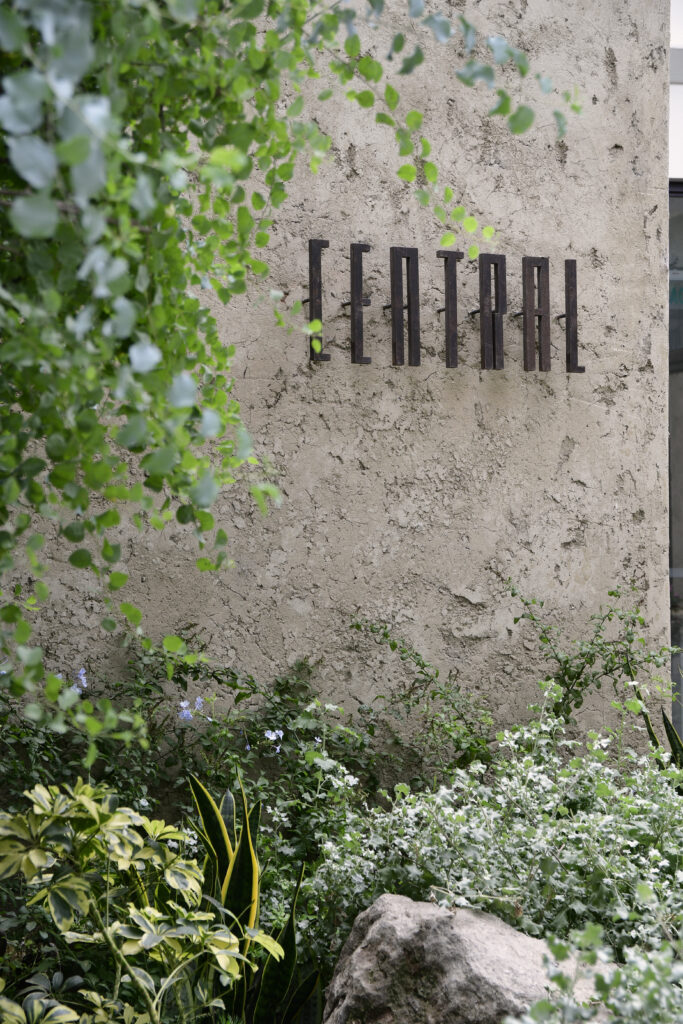
Central (By Facu Manoukian)
By evening time, the street in Lima that houses Central will be in semi-darkness and, passing through the restaurant’s entrance, you are escorted into a garden where the vegetation evokes a dark forest. No dining room lights illuminate your introduction to some of the natural ingredients that will feature in the meal to come — like camu camu from the Amazon — and in a larger indoor space the ethos of Central’s gastronomy is further exhibited. No ordinary meal, you realise, can follow a display that includes four hideous-looking piraña.
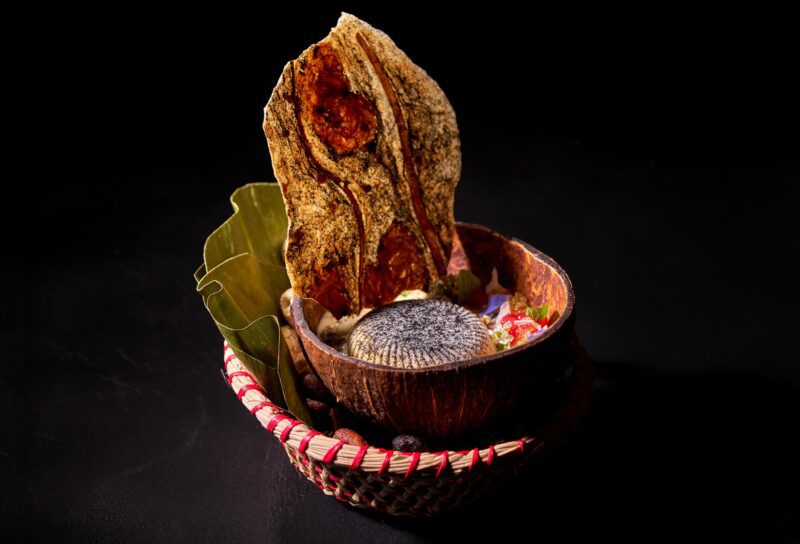
Maduro La Brasa at Maido – Plantain ice cream with shoyu seeds, coconut, camu camu, crackers
The tasting menu is built around a geographical journey across Peru, beginning at 15m below sea level, ascending to an altitude of 4200m and in between traversing savannah, oceans, rainforest, valleys and Andean forest. This is no gimmicky trope but authentic testimony to the country’s environmental extremes (from deserts to glaciers) and diverse microclimates (equatorial, subtropical, snow and icy winds) and the result is a rare and exciting food experience.
Each exquisite presentation, from crockery and cutlery to the food itself, is deliriously different, defying anticipation, and calling for focused attention before tasting. I was unprepared for two types of aguaje bread, made from the fruit of moriche palm (which the great naturalist Alexander von Humboldt called ‘the tree of life’), alongside yacon and a Peruvian fish called doncellai. Having chosen South American wine pairings, not the ‘global/classic’ or non-alcoholic alternatives, these were also an education and provided one surprise after another.
Jaded palates are equally boldly brought back to life with the 12-course tasting menu at Maido in Lima. The preparation and artistry that goes into each course is extraordinary: one dish, sourced from the two Peruvian coastal towns of Huarmey and Casma, balanced a tiny beetroot.
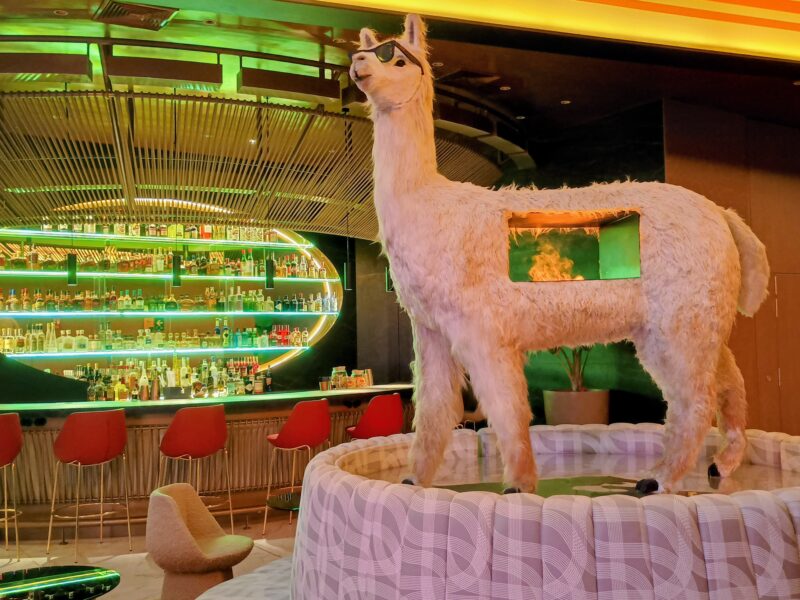
A ‘burning’ llama in the lounge area of Nhow Hotel, Lima
ot on top of a scallop which itself was placed on a clam shell and topped by a sugary-like surface of pistachio cream and leche de tigre – the flabbergasting effect was a whole that ingeniously resembled an ocean ecosystem.
Accustomed food, like suckling pig, veal or sea bass, becomes a new experience when it is only one part of a complex dish with strikingly unfamiliar ingredients like mashua paper or mellpona honey. The fusion of Japanese and Peruvian gastronomic traditions, Nikkei cuisine, makes its presence felt in minor and major forms: from the occasional use of karashi and tenkasu to sushi where the toro is cut at your table to an impossible thinness. What adds to the loveliness of dining at Maido is its degree of agreeable informality; the absence of froideur creates a sense of ease that makes three hours pass effortlessly by.
Central and Maido are high-end establishments – each acclaimed, in 2023 and 2025 respectively, as the best restaurant in the world — and you may feel the need for suitably swish accommodation. Enter the Nhow hotel. Its élan, finding expression in the reception area’s visual razzmatazz and the ‘burning’ llama figure dominating the bar and lounge, extends to snazzy devices, freestanding bathtubs and vibrantly-hued slippers in the bedrooms. The best views of the city are from the higher floors and there is a rooftop pool and bar in this ritzy but never flashy hotel.
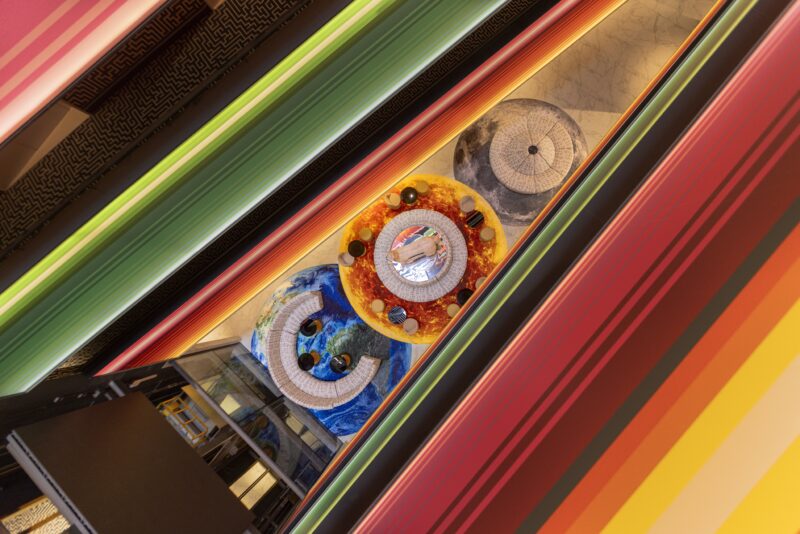
Looking down on the lounge area in Nhow Hotel, Lima
In the same visitor-friendly neighbourhood, Casa Andina Premium Miraflores is a five-star hotel with a distinctive architecture and, inside, a large and comfortable lobby area. Decorative details of Peru’s pre-Colombian and colonial eras add to the hotel’s attractiveness, as does its quiet location and the adjoining coffee bar. I also took a liking to Tierra Viva Miraflores Centro, only one block away from cat-loving Kennedy Park. Spotlessly clean, tidy bedrooms, friendly staff and a 24-hr coffee and tea station in the lobby made Tierra Viva ideal for my brief one-night stay before departing the capital for Arequipa.
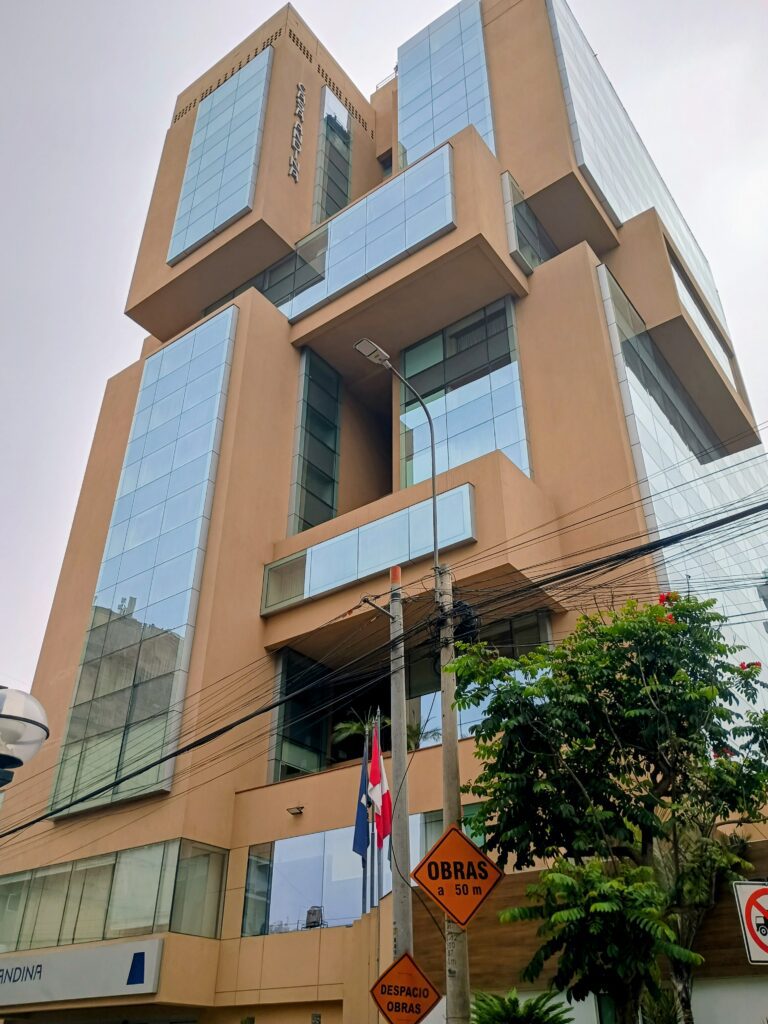
Its architecture makes Casa Andina Premium Miraflores easily recognised
Peru’s second largest city has its own intrinsically Peruvian food experiences. Overlooked by El Misti volcano, Arequipa’s dramatic setting and the charm of its historic centre, replete with colonial-era buildings and a classic main square, is matched by its espousals of the national cuisine.
Victoria is more than just a restaurant and in its dedication to traditional culture is right to call itself an ‘edible museum’ (check out its bookshelves to discover the work of Arequipan artist Jorge Vinatea Reinoso). It is styled as a picanteria, a traditional place for recreation and meals, rustic in character and taking its name from spicy stews called picantes.
Victoria’s tasting menu has one such stew that includes limpets, cochayuyo (seaweed), dried shellfish, dried fish, murmunta (a type of algae), native potatoes and a base from the Peruvian red pepper called ají panka.
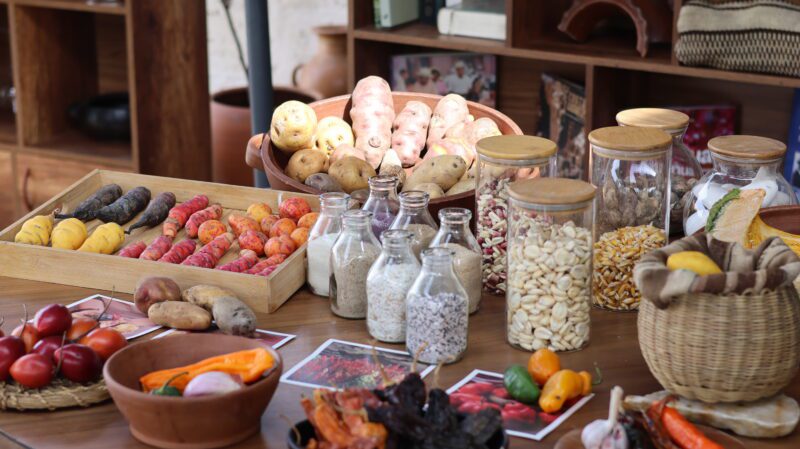
Some of the ingredients at Victoria restaurant in Arequipa
Next door to Victoria, Zig Zag is an engaging restaurant with a unique menu – thanks to its Swiss founder and chef who settled in Arequipa – that reflects Alpine with Andean gastronomy. The warm and inviting setting occupies two floors, connected via a spiral staircase apparently designed by Gustave Eifel, and serves a carpaccio alpaca that my carnivore companion found heavenly.
Zig Zag’s sister restaurant, Tio Dario, is in another interesting part of town and is a relaxed place for lunch (it closes at 5pm). The menu has Peruvian favourites like ceviche as well as nods to African and Japanese cuisine.
For breakfast in a poolside garden under a weeping bottlebrush tree, the pink-coloured Costa del Sol hotel is delightful. The bedrooms are characterized by heavy, dark furniture while the grand lounge area has two magnificently large and naïve murals depicting local life in the 1950s.
Closer to the centre of town, Casa Andina Premium Arequipa enjoys a spa, with a range of massages, facials and body wraps, but it is the hotel’s curious heritage – once the National Mint but also generously adorned with colonial-era religious art – that leaves a strong pictorial impression.
by Sean Sheehan