
JUST LESS than two months after Matthieu Blazy‘s striking debut collection for Chanel in Paris, he dropped anchor in New York for the brand’s annual Métiers d’art show.
Since his first collection, there’s been a palpable buzz in the industry – a feeling like a new dawn had arisen. Though there may have been question marks about what comes next, there’s been a mutual agreement that whatever it is, we were probably all going to love it.
Days before the show – one that famously spotlights the brand’s artisans and magnifies the intricate craftsmanship upheld by the various embroiderers, milliners, jewellers, and tailors associated with the House – the announcement of A$AP Rocky as its latest brand ambassador arrived. A born and raised New Yorker and close friend of the new creative director, it naturally felt like the right move, and though, despite Chanel’s lack of a menswear line, the androgynous suiting of SS26 finally found itself a new muse.
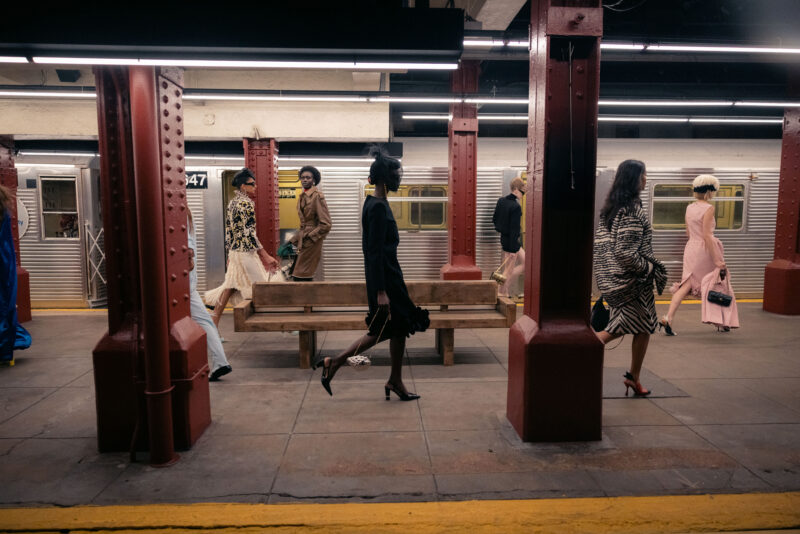
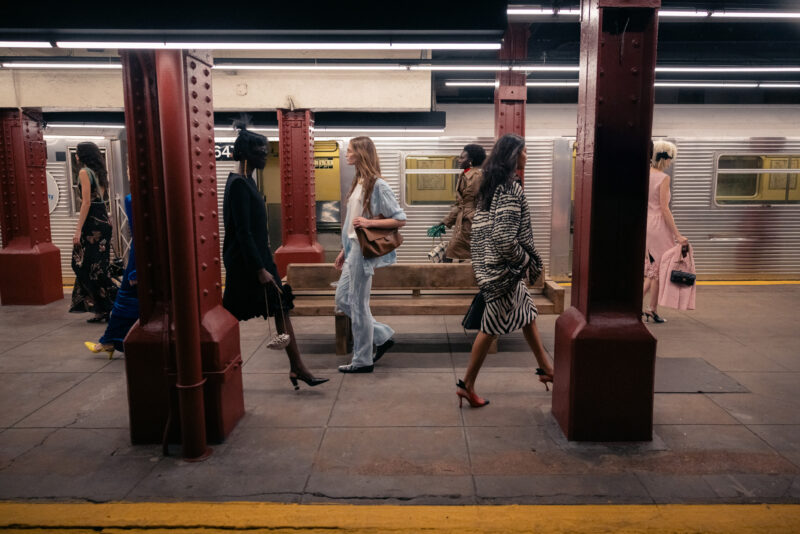
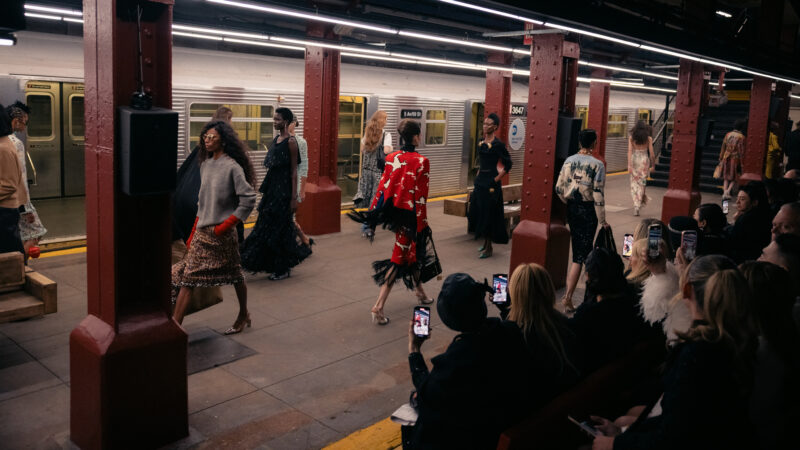
But now, in the abandoned old Bowery station on Lower Manhattan’s Lower East Side, Blazy made the decision to host Chanel’s Métiers d’Art show in two sittings. Before the first model descended down the crumpled stairs, the very choice of venue spoke volumes.
This space is the most democratic, unglamorous place to hold a show of such extreme artisanal weight, but within this intersection of American society where hierarchy doesn’t exist on the subway, he simply illustrated that Chanel is now for everyone, positioning the clothes back into the flow of real life.
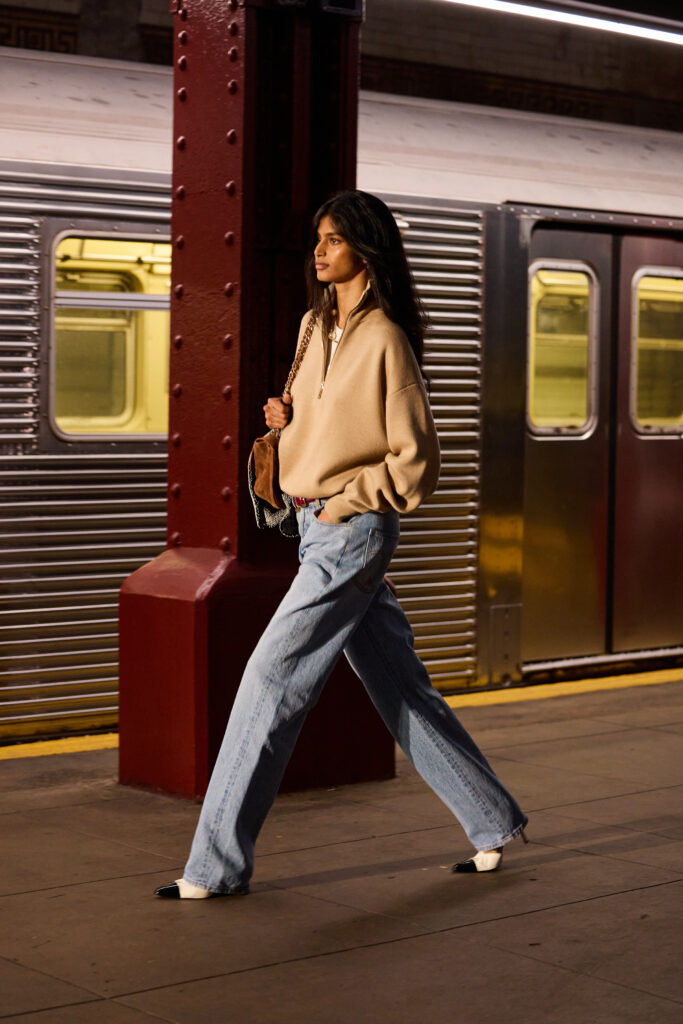
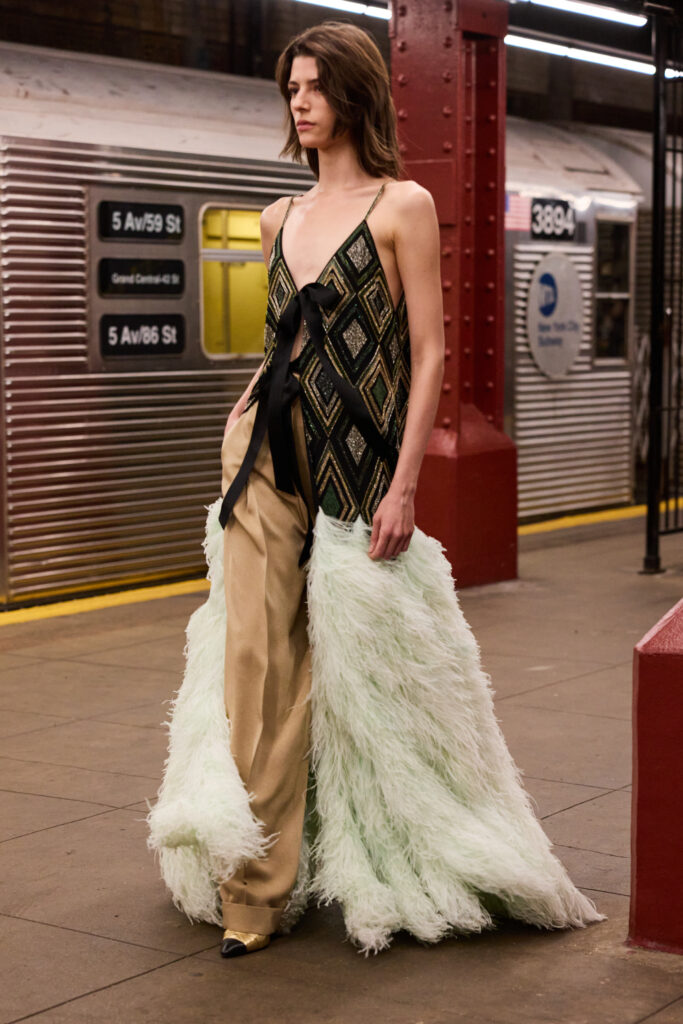
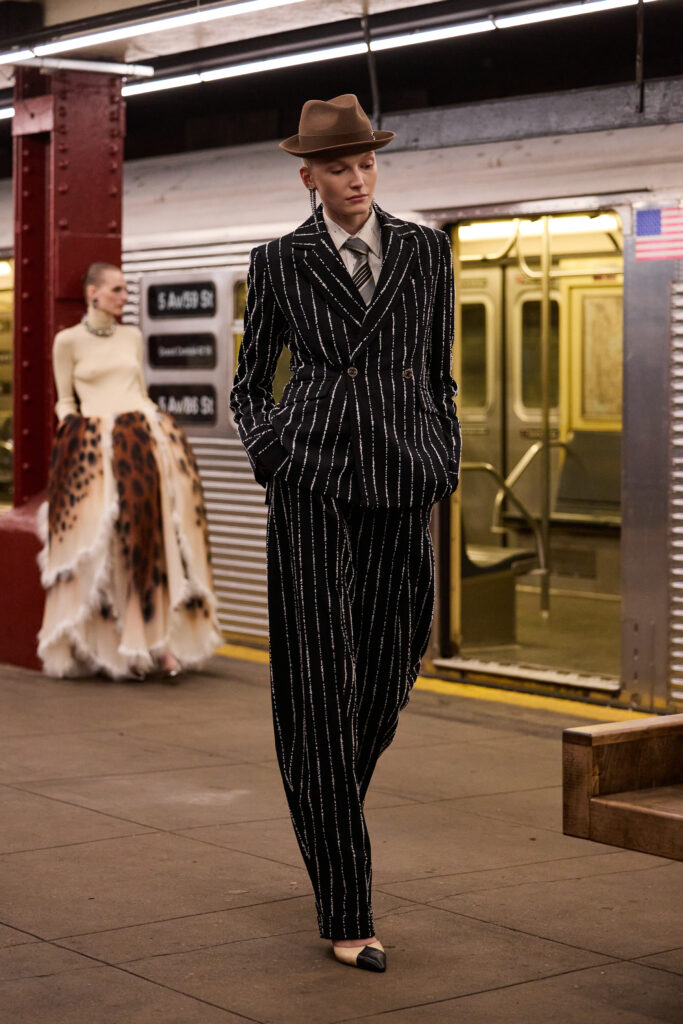
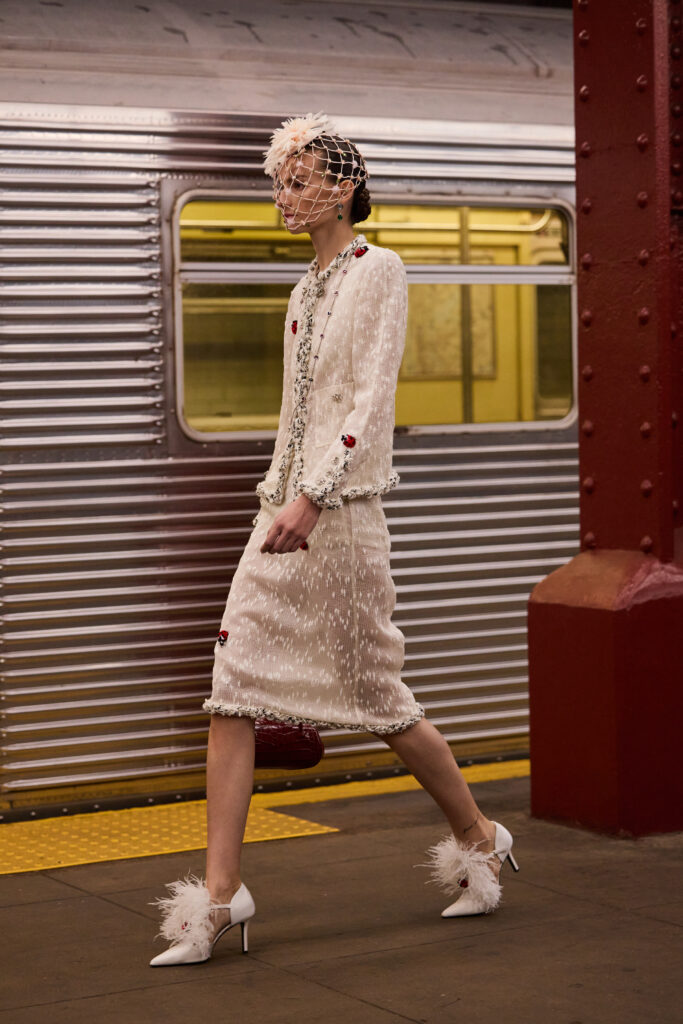
With that left aside, the idea of designing for a specific woman, but rather women, the eclectic mix of archetypes who have lived across the decades. Each look felt like a new character in Blazy’s story: from slouchy suits to pristine pinstripes, midtown executive to lady of leisure. This is approach isn’t new to fashion, but to Chanel, this was a decisive shift from presenting one idealised version of glamour, and now, there was a visual embrace of multiplicity.
Despite the rundown setting, Métiers d’Art remains rooted in showmanship. Blazy’s brilliance in October shone when he made Chanel’s savoir-faire feel lived-in, when he returned to the relentlessness that the founder embodied. This collection was no different.
Tweed trenches appeared utilitarian from afar and shimmered as you stepped closer; sequinned tourist t-shirts gave a fashionable wink at the mundaneness of souvenirs; silk played with perception as it floated looking like denim; and feathered evening gowns juxtaposed the concrete in a cinematically intriguing manner.
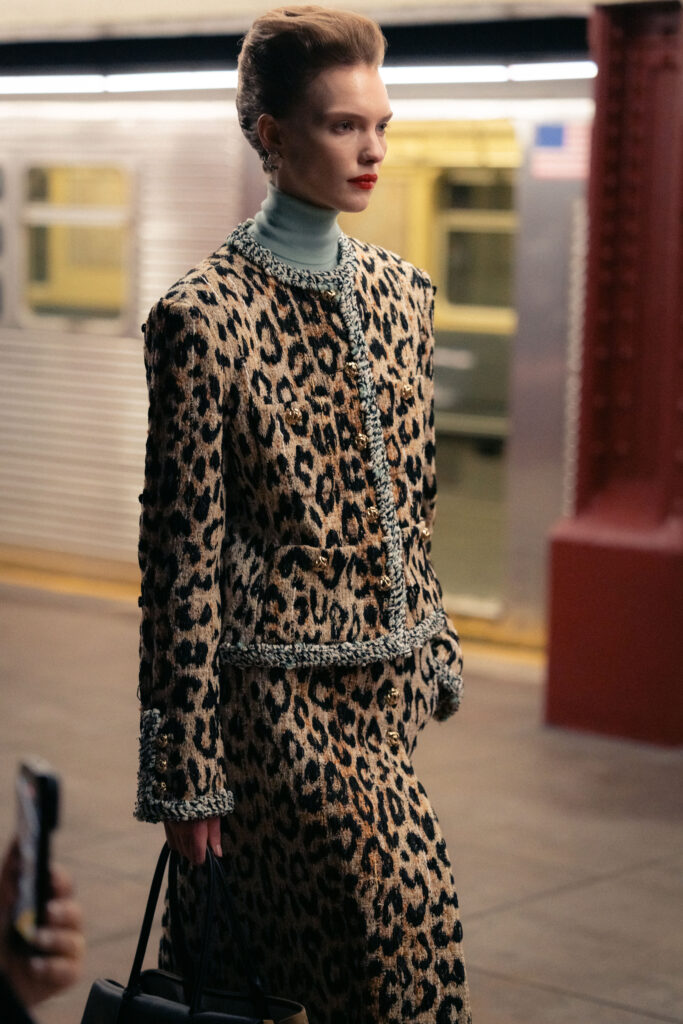
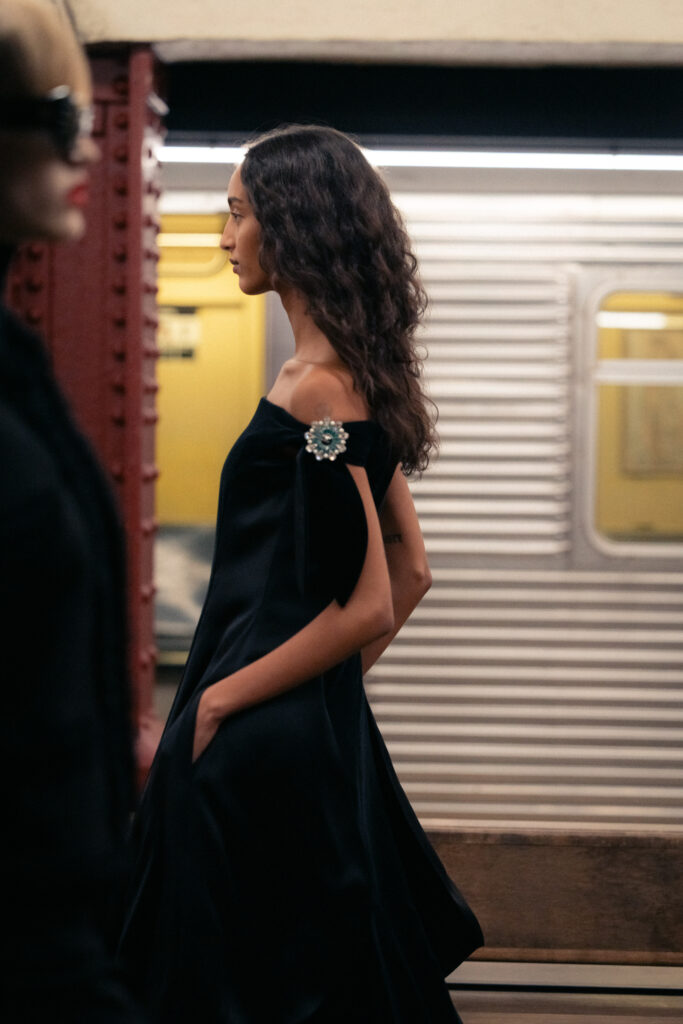
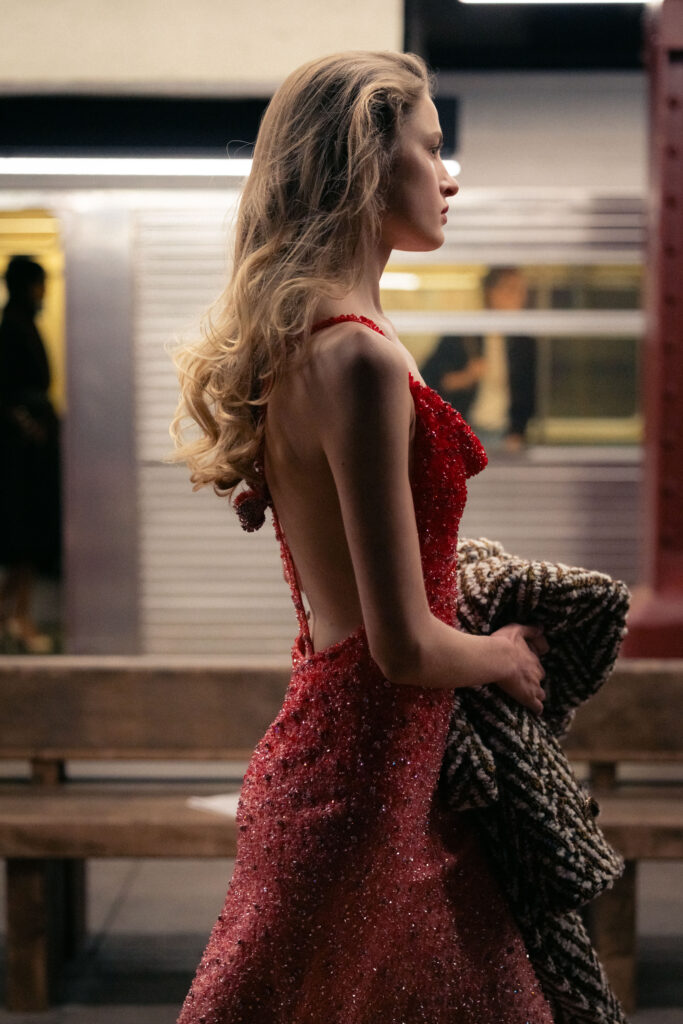
The cast moved between model it-girls and more mature women, creating a timeless atmosphere. On that note, Blazy’s silhouettes nodded to heritage, playing with tweed, chains, and quilting but styled in a nonchalant manner to reflect the street-set he was crafting. A refreshingly modern take on the past.
Chanel’s Métiers d’Art 2026 collection was a triumph of vision and storytelling. By placing couture in the subway, Blazy reframed luxury not as aspiration, but as observation. If his debut was a manifesto that Chanel can honour its heritage, then this was proof that it has an unmistakable place in our day-to-day.
by Imogen Clark