
From Summer Issue 62
Glass speaks to rising Italian star Gala Zohar Martinucci about her latest film Arsa and expressing its complex themes of grief, solitude and rebellion
Gala Zohar Martinucci doesn’t want the easy life. New to the scene, the young actress is already tackling characters that are difficult to explore. In her latest film Arsa, she steps onto the screen with a presence that is hard to ignore, exploring the inner landscape of a girl living alone on an Italian island and mourning her father. She spends her time collecting debris washed up by the sea and turning them into art. But one day her solitude is interrupted.
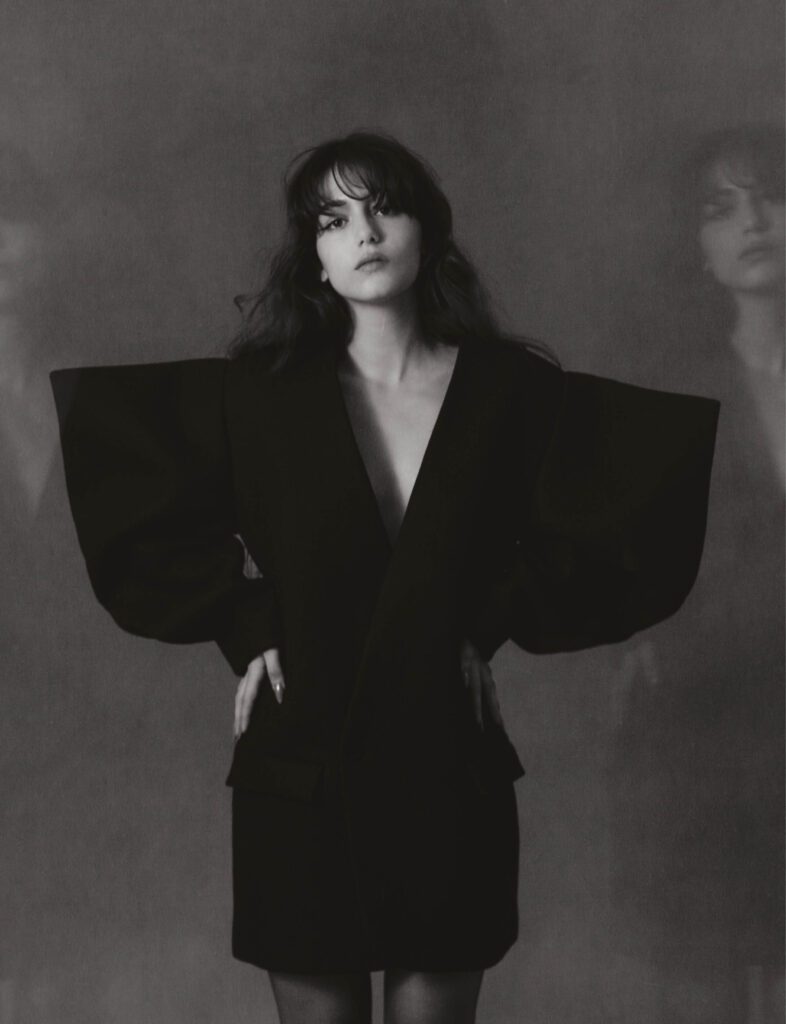
Photograph: Pip
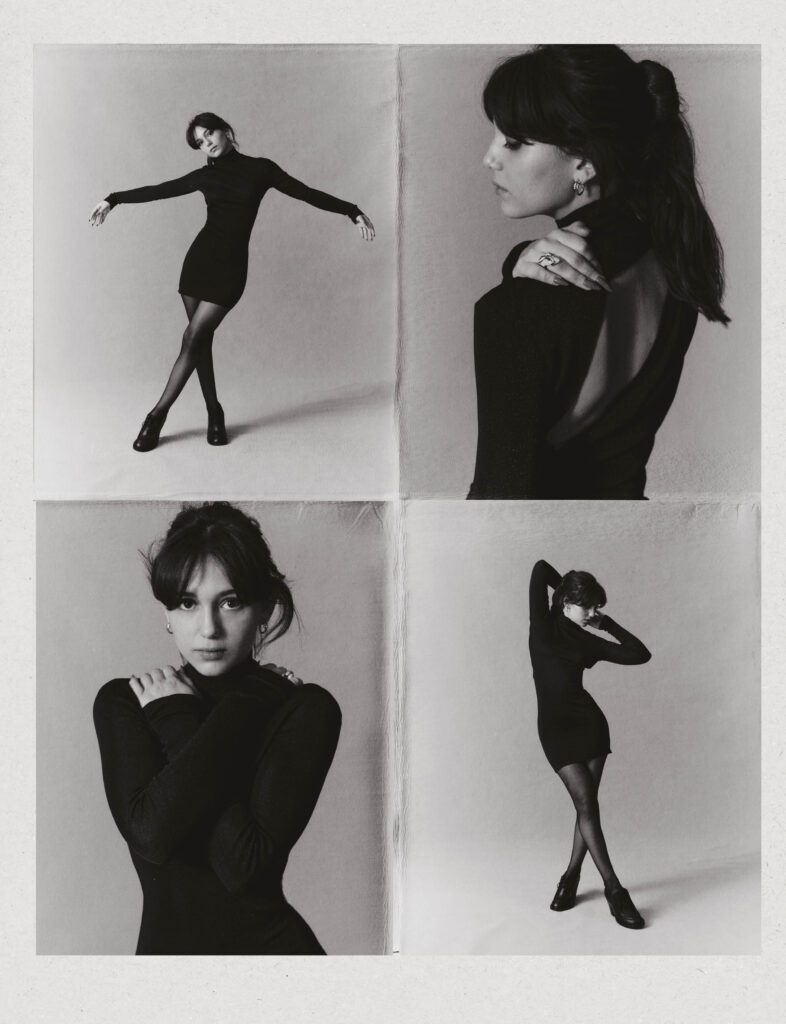
Photograph: Pip
Born in Rome in 2004, Martinucci’s passion for acting began as a childhood hobby. It quickly evolved into a serious pursuit, leading her to train under the guidance of Aurin Proietti at Efilsitra Acting Studio and to attend masterclasses with figures like Willem Dafoe at Studio Cinema International. She further honed her skills at London’s RADA before joining the Duse International Centre of Cinema and Theatre, collaborating with actress Francesca De Sapio and film director Vito Vinci.
Her screen debut in Ossa, where she played two distinct characters, earned her the Afrodite Award for Best Debutant Actress and the Cultural Classic Award for Best Leading Actress.
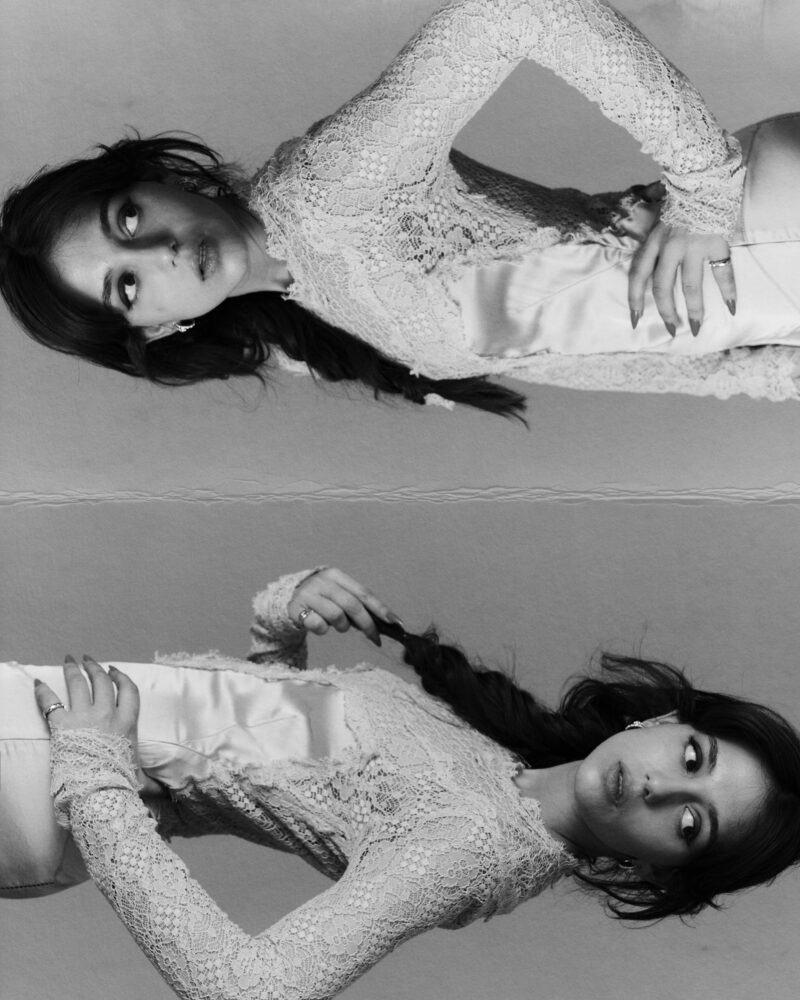
Photograph: Pip
What initially drew you to pursue a career in acting – was there a pivotal moment or a particular influence?
I’ve always been fascinated by storytelling – how a gesture, a glance or even silence can carry an entire universe. I didn’t start out thinking I’d become an actress, but there was a moment during a rehearsal years ago when I felt something click: a kind of surrender to another life, another rhythm. From then on, I understood that acting would be the language through which I could explore the world and myself.
Working with Willem Dafoe is a formative experience for any actor – how did he influence your craft?
Willem’s generosity, rigour and complete immersion in every role are incredibly inspiring. Working with him taught me the value of discipline and vulnerability. He has this quiet intensity that fills the room, not by force, but by authenticity. Observing him helped me understand how to be fully present in a scene and how to let the truth of a moment unfold without trying to control it.
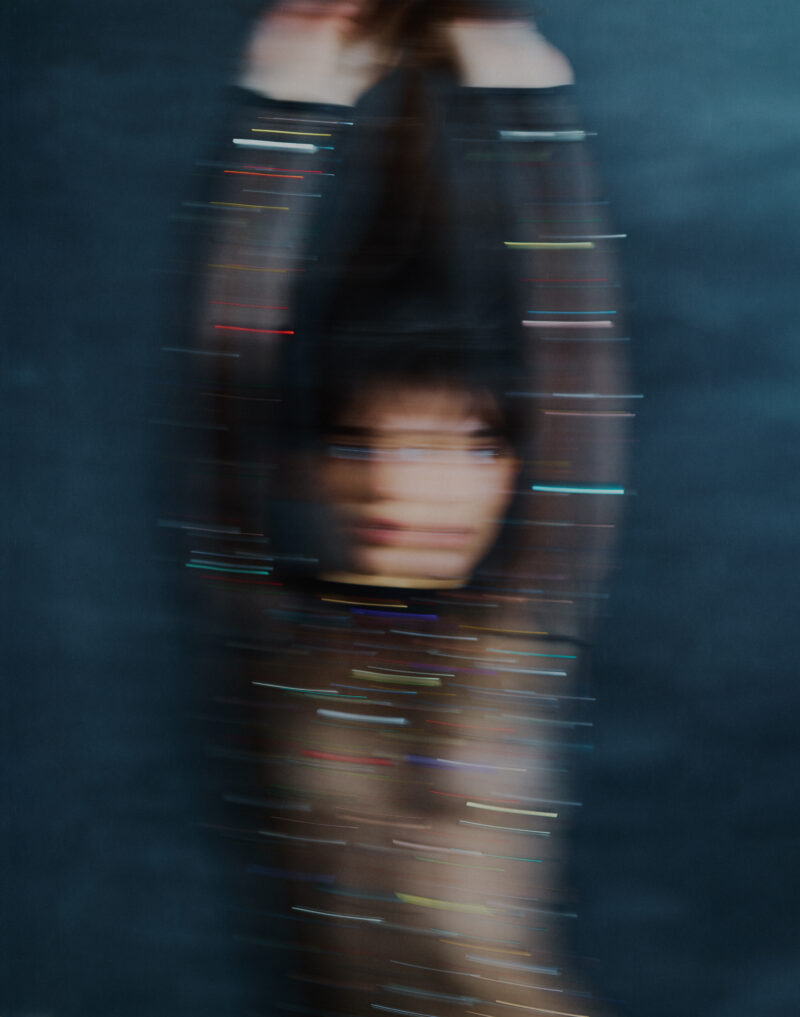
Photograph: Pip
Arsa marks your first leading role, a film that weaves together themes of escapism, grief and coming of age with an eerie undertone. How did you immerse yourself in Arsa’s world?
Arsa lives on the edge of the world and in herself. To inhabit her, I stripped away layers of noise: digital distractions, social routines, expectations. I spent time alone on the island before shooting, listening to the sea, watching the wind move through dry grass. Her grief is wordless, her rebellion quiet. I had to learn to speak without words, to feel deeply and show little. It was both liberating and disorienting.
In your interpretation, what drives Arsa to exist surrounded by symbolism while remaining disconnected from truly living?
She creates meaning out of chaos – objects washed ashore become her language. But that’s also her defence mechanism. Symbolism gives her a sense of order in a world that has let her down. At the same time, she’s terrified of re-engaging with life because it might mean facing loss again. She’s not numb, she’s protecting something very fragile.
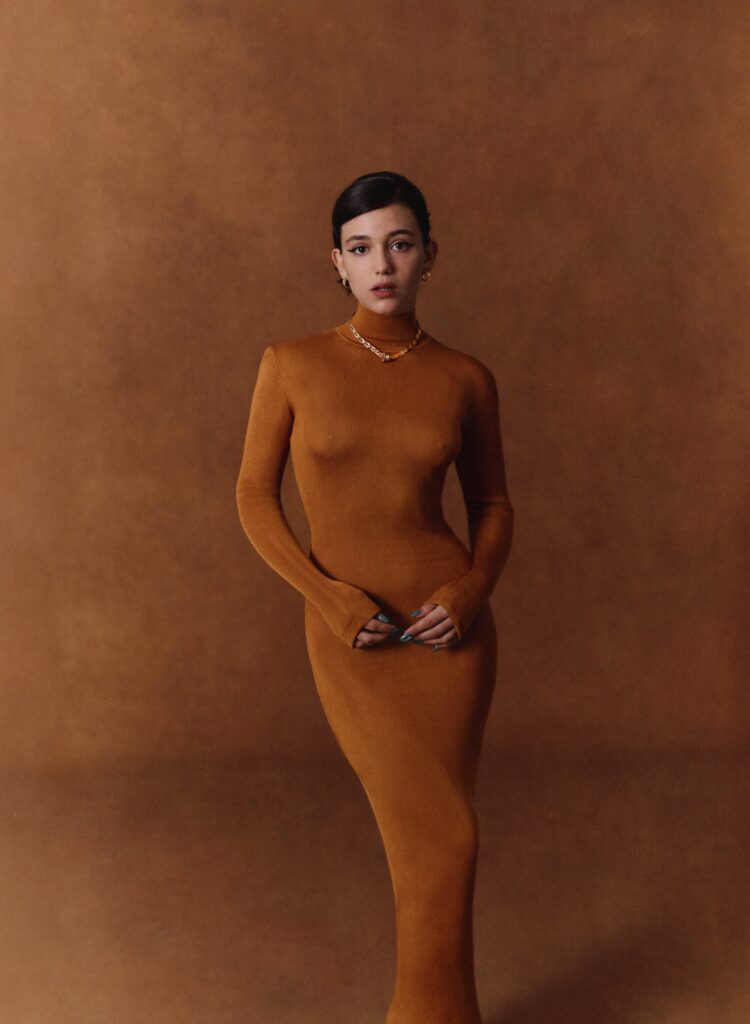
Photograph: Pip
Despite Arsa’s isolation, you portrayed her as a woman who chooses solitude without seeming lonely. How did you achieve this nuanced portrayal?
I think the key was understanding that solitude, for Arsa, isn’t a punishment – it’s a form of resistance, of healing. I focused on how she interacts with the island, the textures around her, the animals and the ruins. Her relationships are with what remains. That intimacy with the landscape gives her a quiet strength. She doesn’t seek pity, she seeks peace.
What are there lessons we can draw from Arsa in terms of coping with grief?
We’re so conditioned to “move on”, to perform resilience. Arsa reminds us that healing doesn’t follow a timeline – it’s non-linear, uncomfortable and often solitary. She listens to her own pace, her rhythm. Maybe that’s the lesson: to make space for grief, to honour it, instead of rushing to silence it.
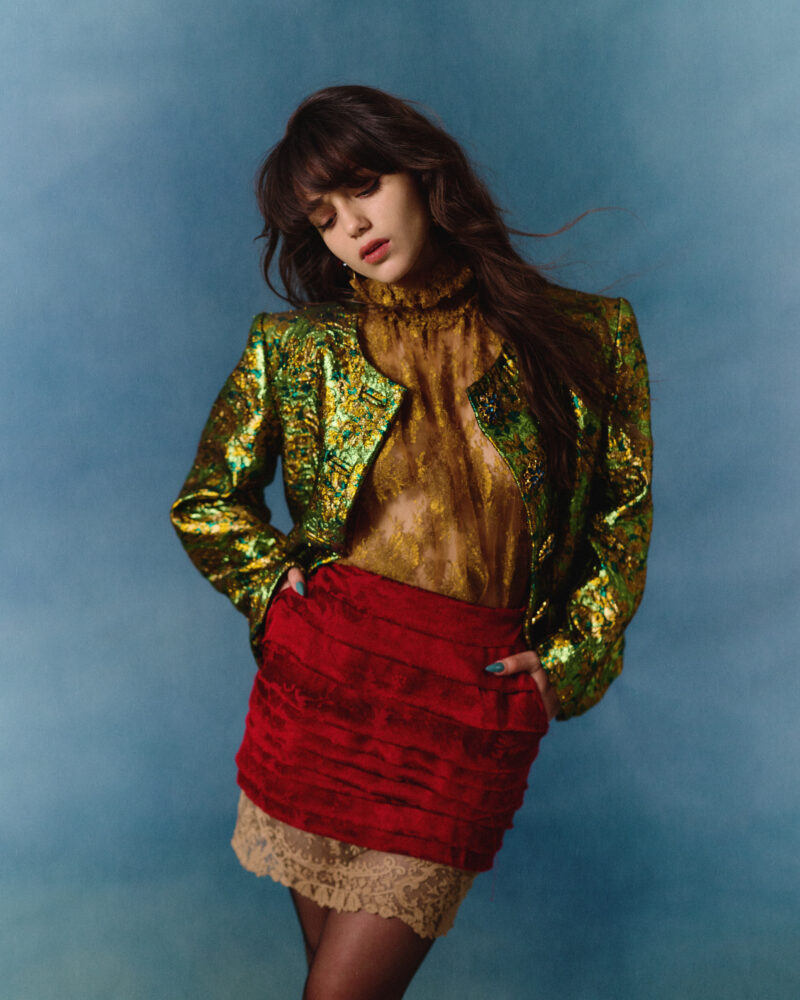
Photograph: Pip
As you prepared to bring Arsa to life, what aspect of her character did you feel was most essential to capture?
Her defiance in stillness. She doesn’t scream her pain, she carries it with a kind of quiet dignity. I wanted to show her as both wild and grounded, fragile yet unyielding. That paradox was the essence of her character.
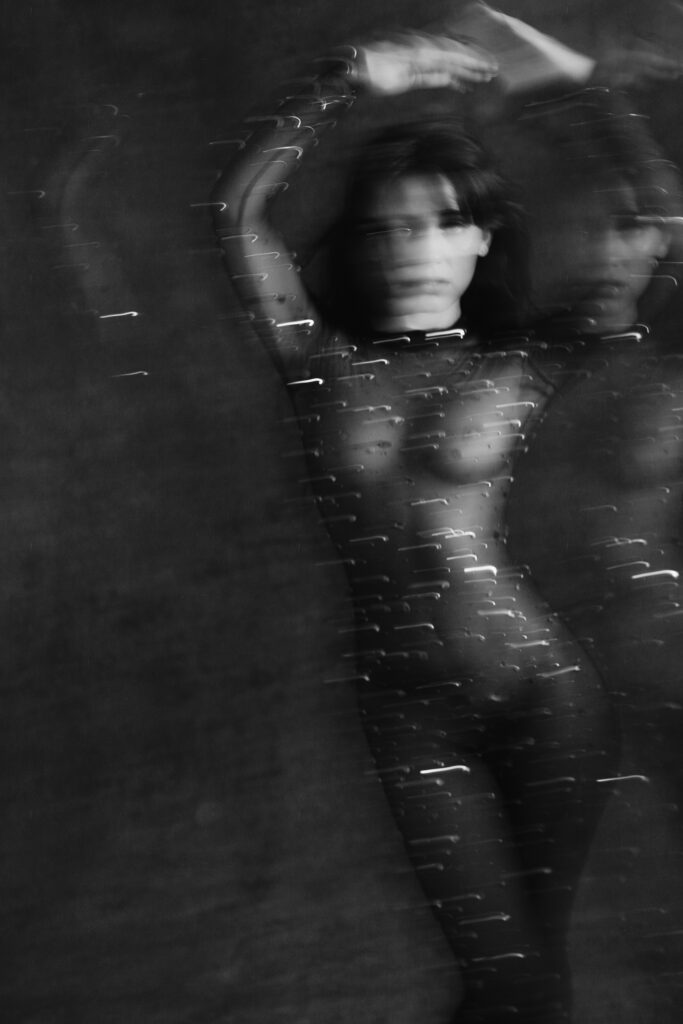
Photograph: Pip
Working with the film’s directors, Milanese duo Masbedo (Nicolò Massazza and Iacopo Bedogni), must have been a unique experience. What emotional truths did they most want you to convey?
Nicolò and Iacopo gave me an enormous amount of freedom, but they also pushed me to strip everything back, to find truth in gesture, silence, breath. They were interested in a kind of emotional archaeology: digging beneath the visible to reveal the buried, the unsaid. What they asked of me wasn’t performance, it was presence.
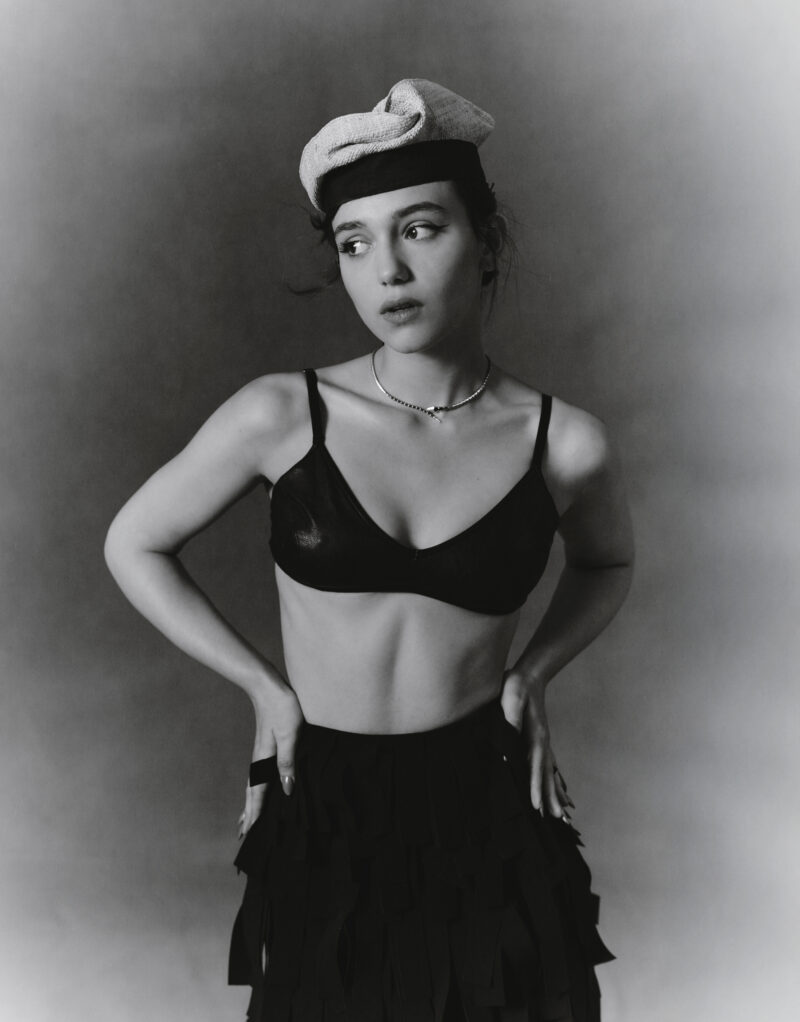
Photograph: Pip
Now that Arsa is out in the world, did she leave a personal mark?
Very much so. There are moments when I catch myself seeking that same silence she inhabited, or noticing the beauty in forgotten objects. Arsa taught me that presence is a form of rebellion in a distracted world. I carry that with me.
Where do you see your career heading next – are there stories or roles that you feel most drawn to now?
I’m drawn to stories that leave space for mystery, horror and characters who aren’t easily explained, and women navigating thresholds. I’d love to explore more roles where the emotional architecture is hidden, waiting to be unearthed. I’m also interested in working across mediums —cinema, performance art, even sound. Wherever there’s room to question, to experiment, I’ll go.
by Adina Ilie
Photographer: Pip
Fashion Director: Katie Felstead
Hair: Declan Sheils using ELECTRIC LONDON
Makeup: India Excell using WESTMAN ATELIER
Manicurist: Chiara Ballisai using JOONBYRD
Producer: Tammi Le Breton at MONDAY ARTISTS
Production assistant: Georgia Lawn
Digital Operator: James Bain
First photography assistant: Jack Storer
Second photography assistant: Mario Alvarez
Styling assistant: Enrica Miller
Talent: Gala Zohar Martinucci
Look 1: Dress RORY WILLIAM DOCHERTY, Tights WOLFORD
Look 2: Serpenti 18K rose gold ring set with emeralds on the head and body and full pavé diamonds, Serpenti Viper 18K rose gold hoop earrings set with demi pavé diamonds, both BVLGARI, Dress SELF PORTRAIT, Shoes ETRO
Look 3: Serpenti Viper 18K white gold thick wedding band, Serpenti Viper one-coil ring in 18K white gold, Serpenti Viper 18K white gold hoop earrings set with full pavé diamonds, all BVLGARI, Dress ISABEL MARANT
Look 4: Bodysuit HU DIE GONG ZHU
Look 5: Serpenti Viper 18K yellow gold earrings, B.zero1 Rock Chain in 18K yellow gold with a round studded pendant and black ceramic inserts, both BVLGARI, Dress SELF PORTRAIT
Look 6: SAINT LAURENT BY ANTHONY VACCARELLO
Look 7: Bodysuit HU DIE GONG ZHU
Look 8: Serpenti Viper 18K yellow gold necklace BVLGARI, Trousers A.W.A.K.E MODE, Top COMMANDO, Hat RELLIK