
WHEN Matthieu Blazy’s debut collection for Chanel unfolded at the Grand Palais at 8 o’clock, it felt less like a fashion show and more like a séance – a quiet summoning of spirit and memory. The air was charged with anticipation.
Would we be left with questions, or with a clear statement of what this new chapter would look like? The answer was simple: we were invited to listen in on the quiet dialogue between Blazy and Gabrielle Chanel herself.
The Spring/ Summer 2026 show was titled Une Conversation, a slow three-part exchange that traced the House’s 115-year history. It began with a cotton shirt and trousers that directly referenced Charvet, the historic French shirtmaker that supplied her lover Boy Capel’s shirts. Blazy’s opening whisper was a declaration of love.
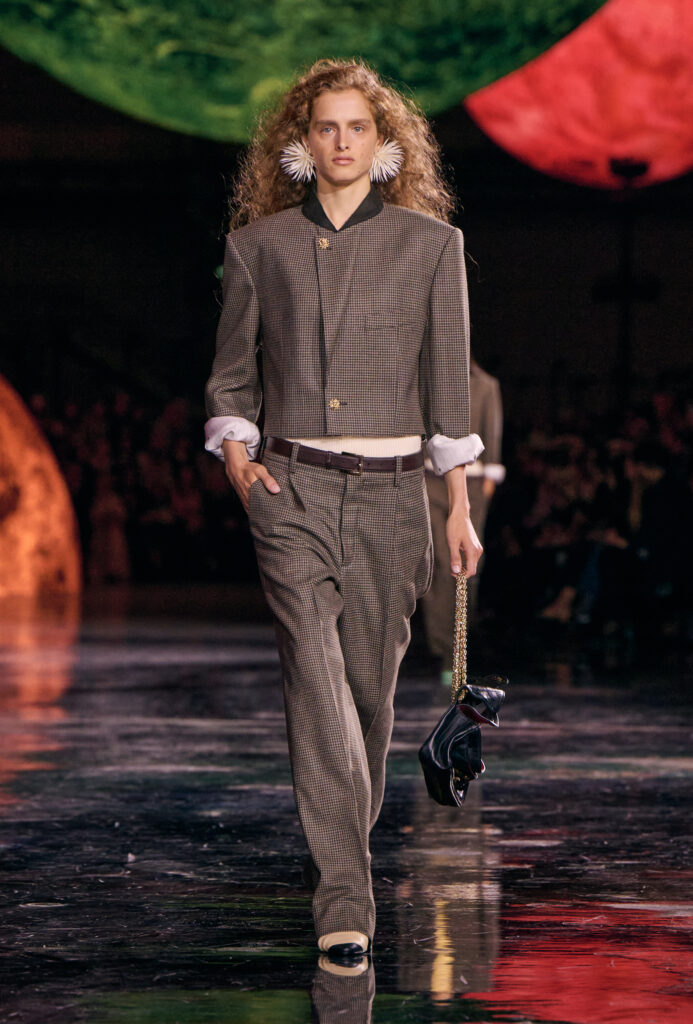
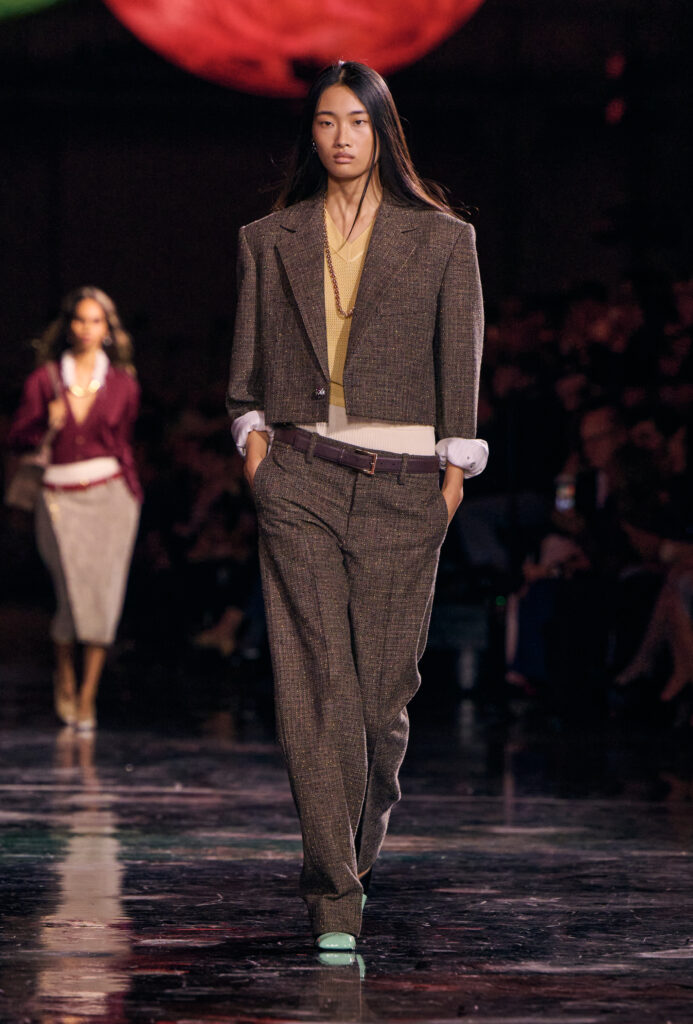
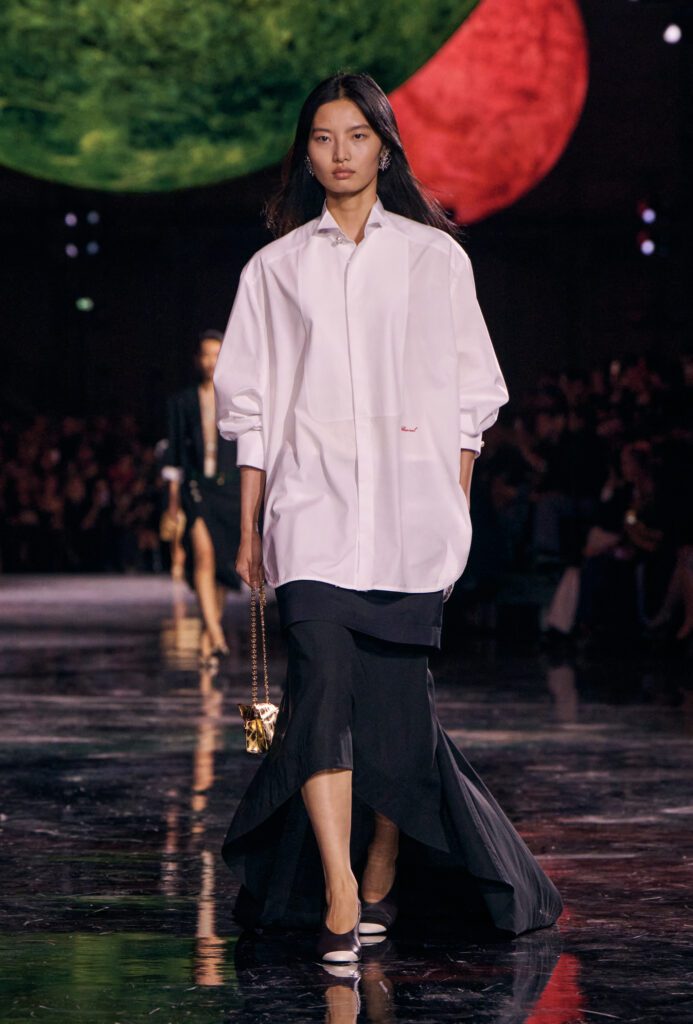
“The birth of Modernity in fashion comes from a love story. This what I find most beautiful. It has no time or space; this is an idea of freedom. The freedom worn and won by Gabrielle Chanel.” The gesture was straightforward: he presented a woman wearing traditional men’s clothes. This beautiful paradox stemmed from the founder and was an outfit that signalled, Blazy’s Chanel would lead not through replication but by reflection.
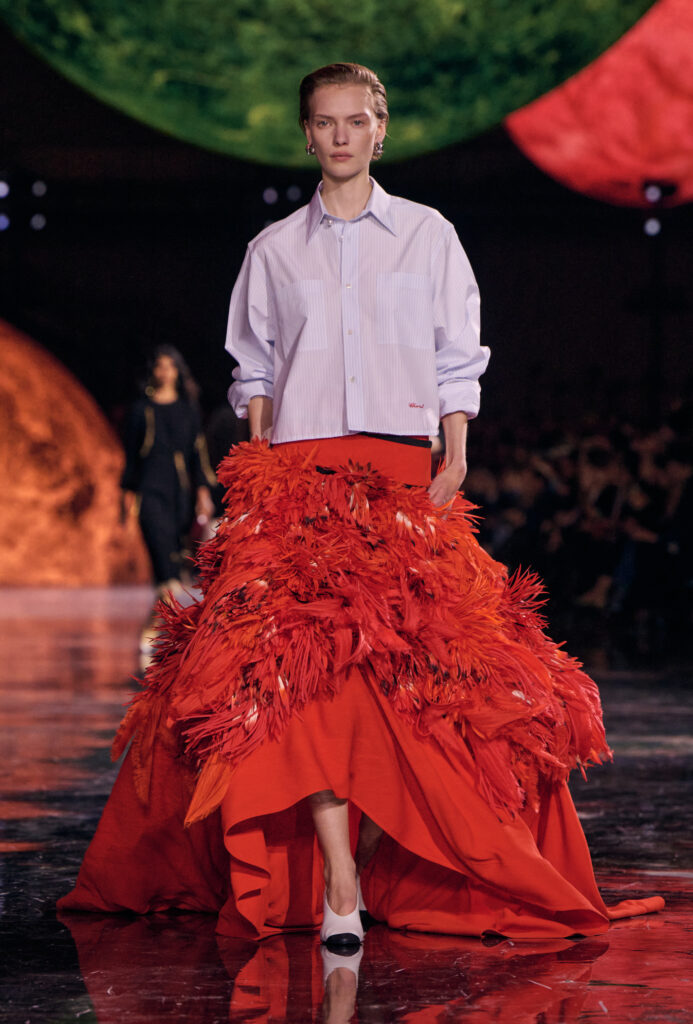
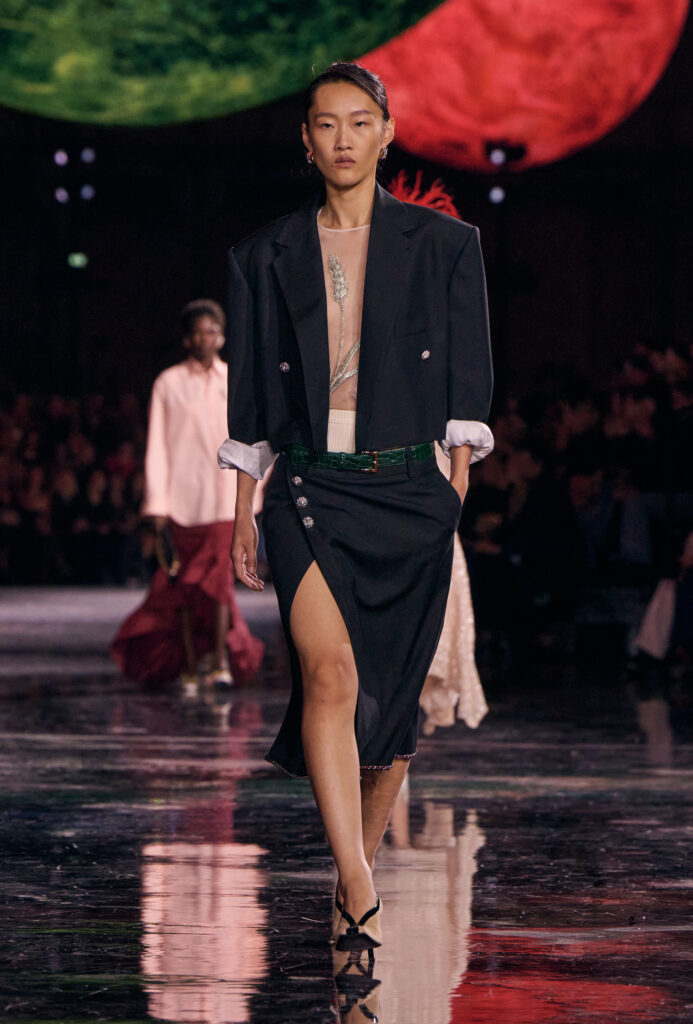
The opening chapter, Un Paradoxe, therefore was charged with menswear codes. The silhouettes were almost architectural: cut with the understanding that construction and fluidity needed to walk hand-in-hand.
Suits were made in pressed tweeds that looked purposeful with waistlines low, trousers loose and skirts slit to expose the leg – a nod to his precision of cut learnt working under Raf Simons and Phoebe Philo – but executed with a softer sensuality. “Never just something, but someone,” reads the press release, illustrating this is not about designing a new archetype, but rather offering presence.
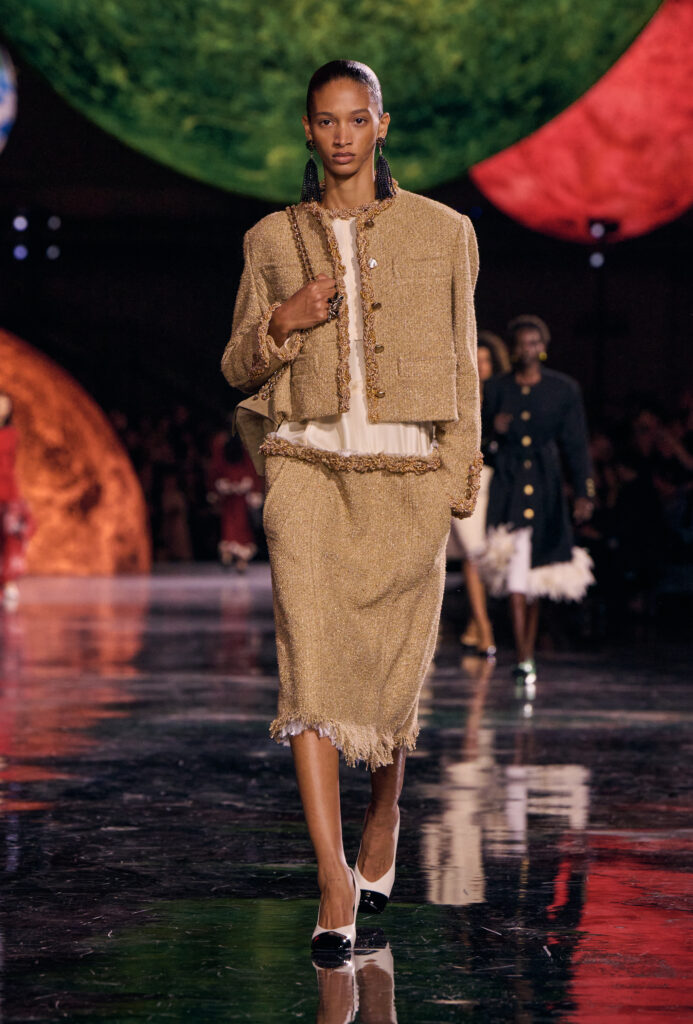
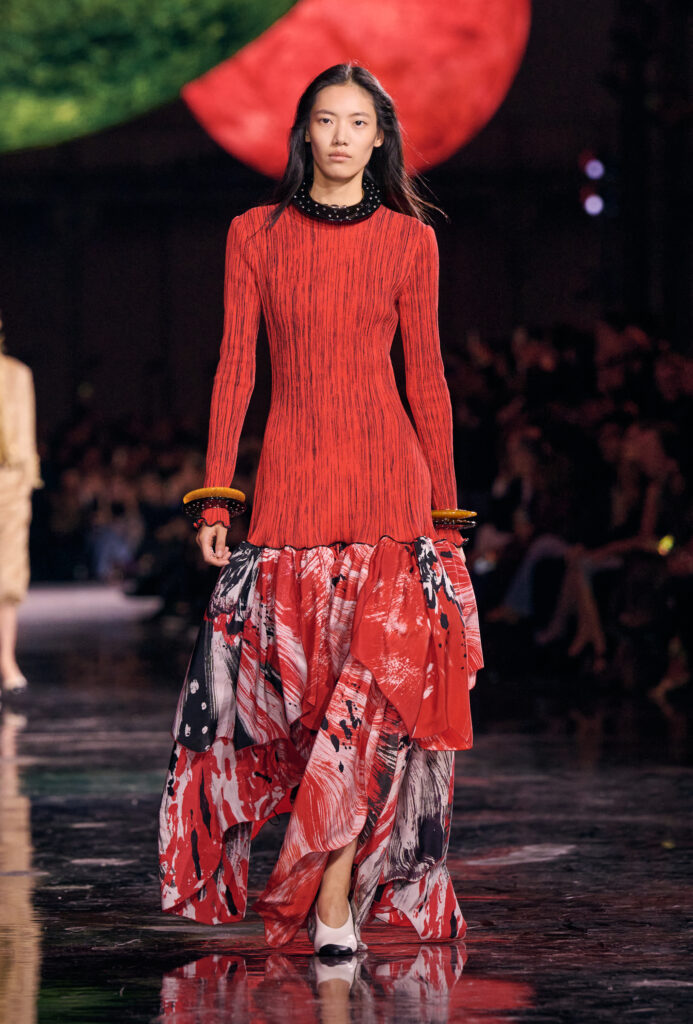
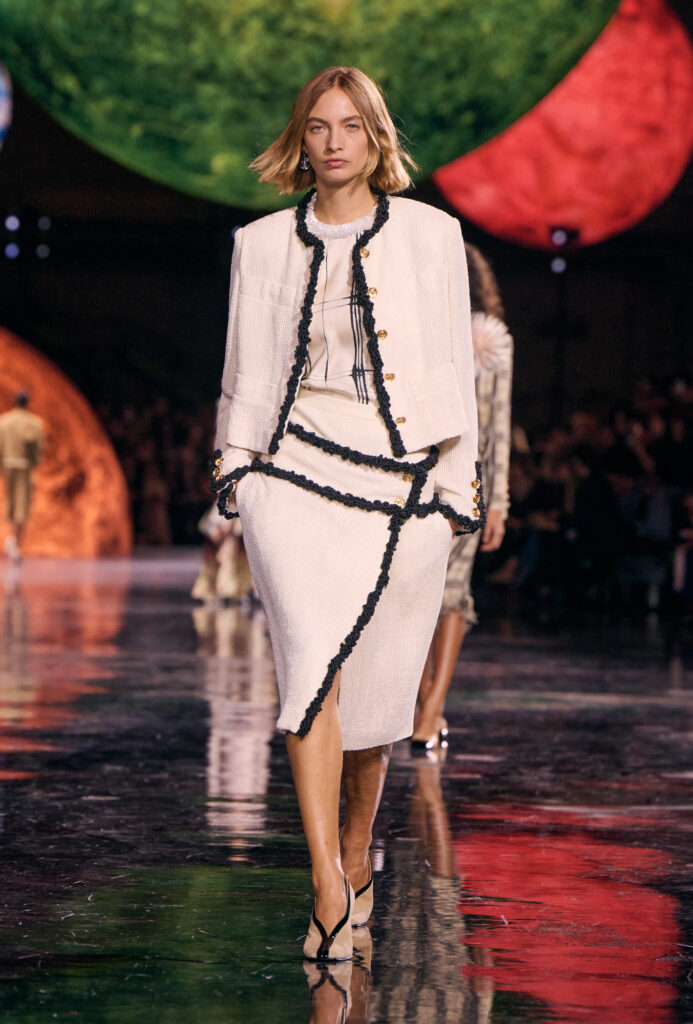
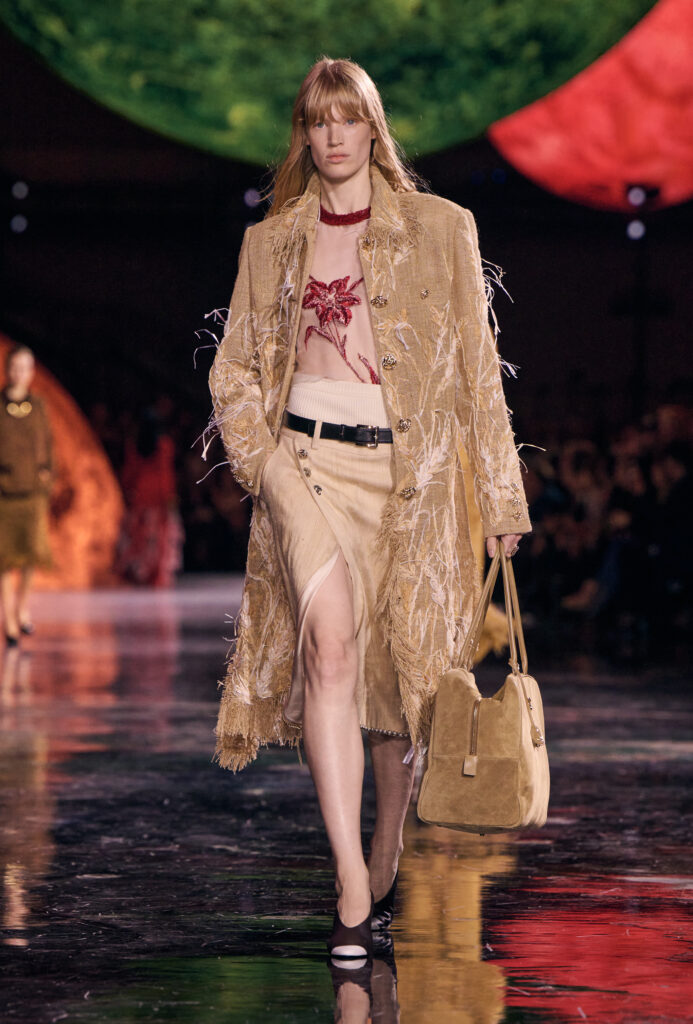
Le Jour was up next, and this shushed the focal point of structure and invited erosion. How could he disrupt daywear without losing pragmatism and beauty? The result was an array of familiarity. The famous 2.55 bag arrived battered and beloved, with its burgundy lining deliberately exposed. Crumpled camellias weaved their way onto knitted silks, tweeds were frayed and suits seemed to carry a layer of patina on them.
Even the colour palette felt new although the shades of ivory, burgundy and grey were just manipulated into other forms. The black and white monochrome referenced both the Art Deco era and of course, the brand’s design DNA but it arrived in a more contemporary syntax that felt unobvious.
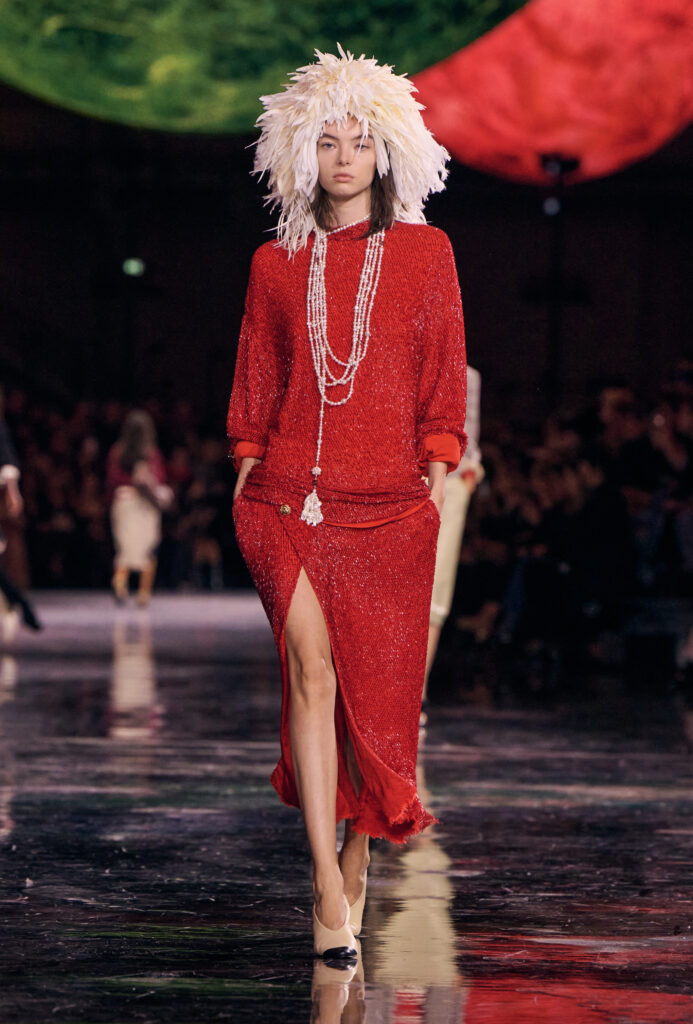
The final third of the collection was L’Universel, a more personal statement that invited us to look outward. The Chanel woman was once distinctly Parisian, now she is not defined by her environment but by how she carries herself. This chapter is maybe where Blazy truly begins to write his own distinctive declaration. The exploration of tweed reached new frontiers: it was hand-knotted, translucent and at times, looked like it melted.
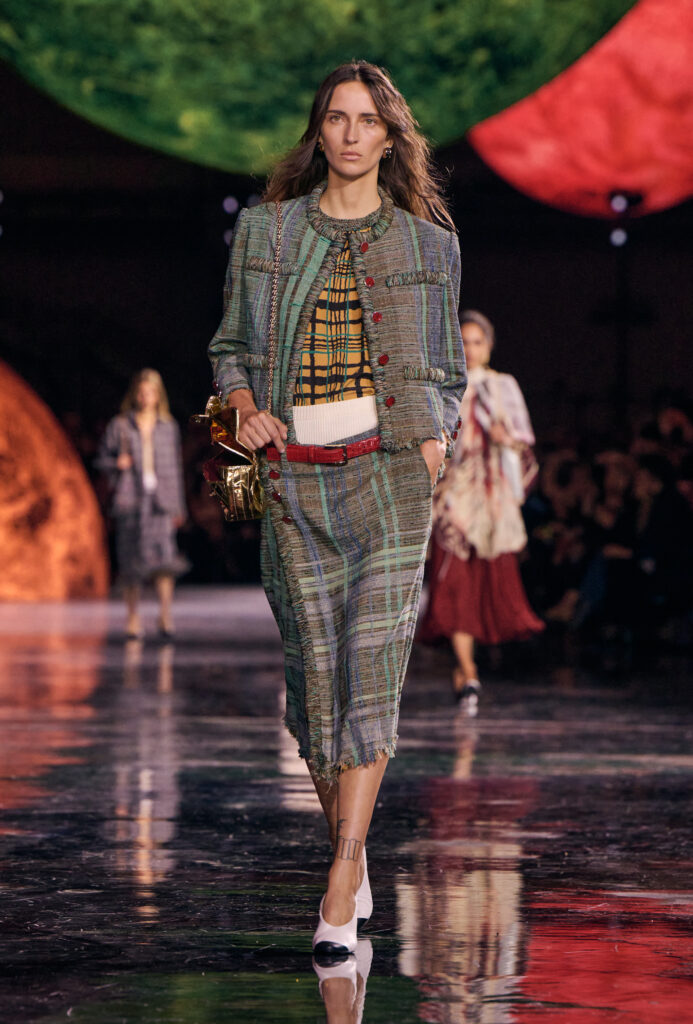
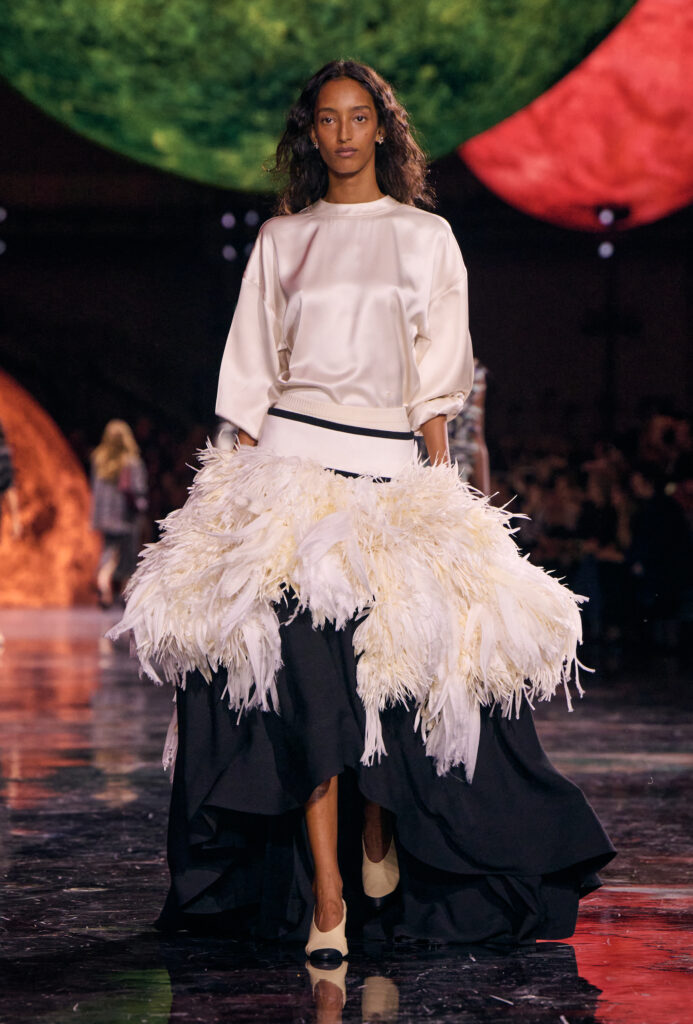
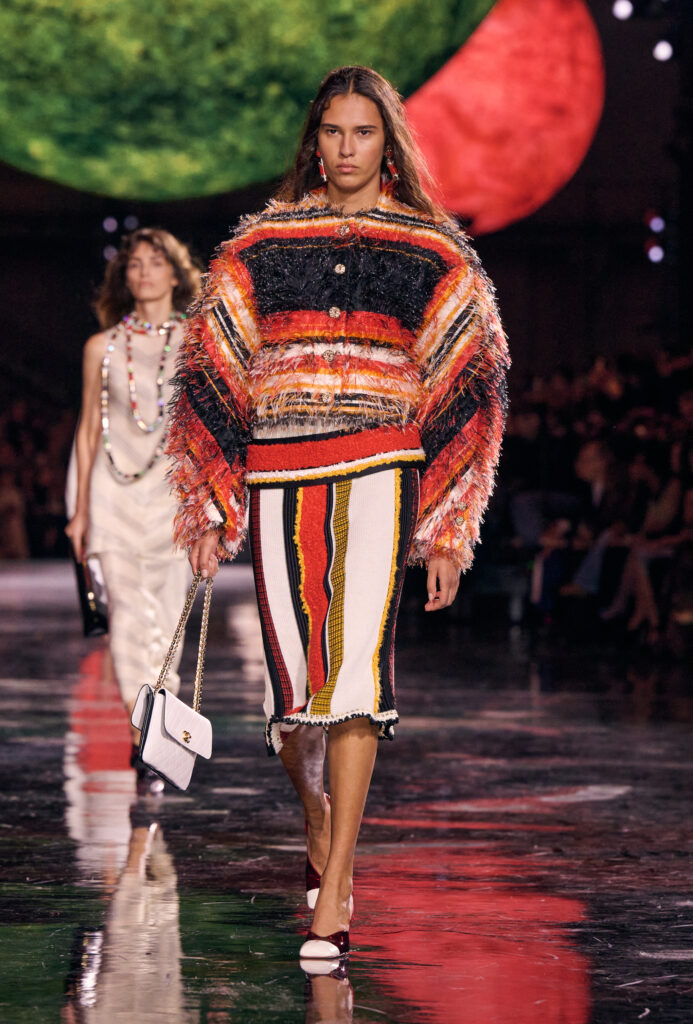
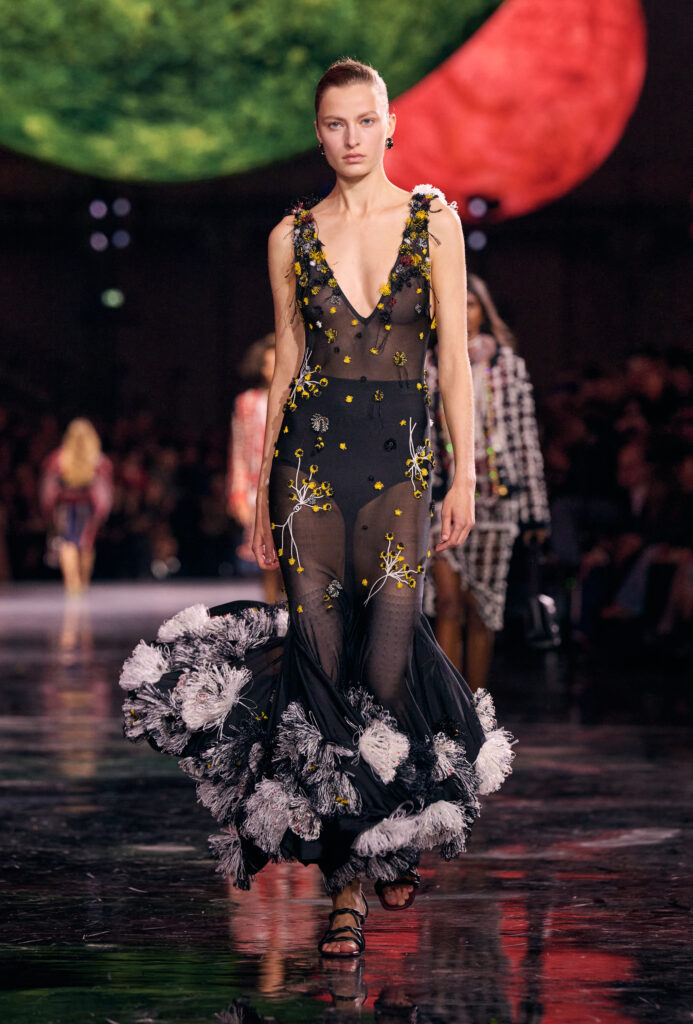
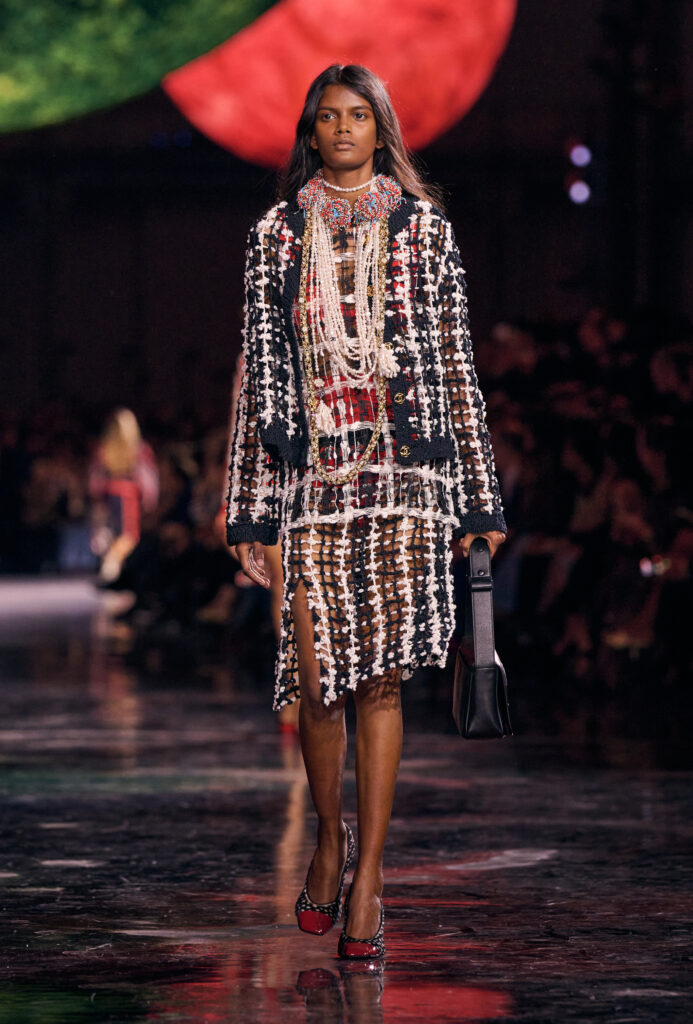
Jackets revealed their interiors showing off contrasting linings and textures played against each other in visual duels. Jewellery leaned into excess with baroque designs, strings of pearls and enamelled chains looking like swinging relics that have been passed from one Chanel woman to another. This was a collection that ignited motion: we are all moving forward.
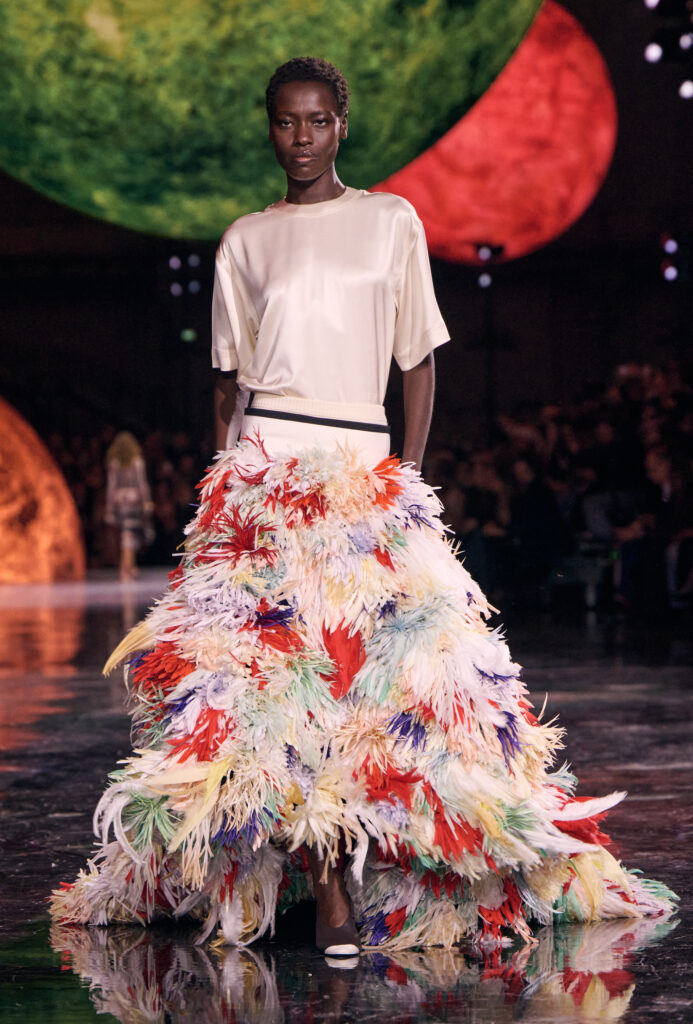
As the fourth designer to lead this House, Chanel has come to an integral intersect of what comes next. Blazy’s approach to this mammoth task was both cerebral and tactile, not chasing novelty but rather restoring purpose to the codes.
His intellectual pursuit of what Gabrielle Chanel set out to do was met with resonance – how could he bring her ideas of rebellion and freedom to the present day and give birth to a new uniform fit for the woman she designed for? His collection was not only a calming reassurance but also a profoundly elegant rediscovery of Chanel’s ever-evolving spirit.
by Imogen Clark