
THERE WAS a quiet tension in the air at Celine this season. At the stately Institut de France during Paris Fashion Week, Michael Rider delivered a collection that seemed to tighten the screws on his vision for the house.
Rider’s Celine has always been about clothes that live in our world rather than on a pedestal. However, for Autumn/ Winter 2026, those clothes developed a sharper outline. Coats were cut closer to the body, skirts were shortened, and layers of black were stacked up with deliberate restraint. Familiar classics appeared everywhere: tailored jackets, sober trousers, collegiate knits.
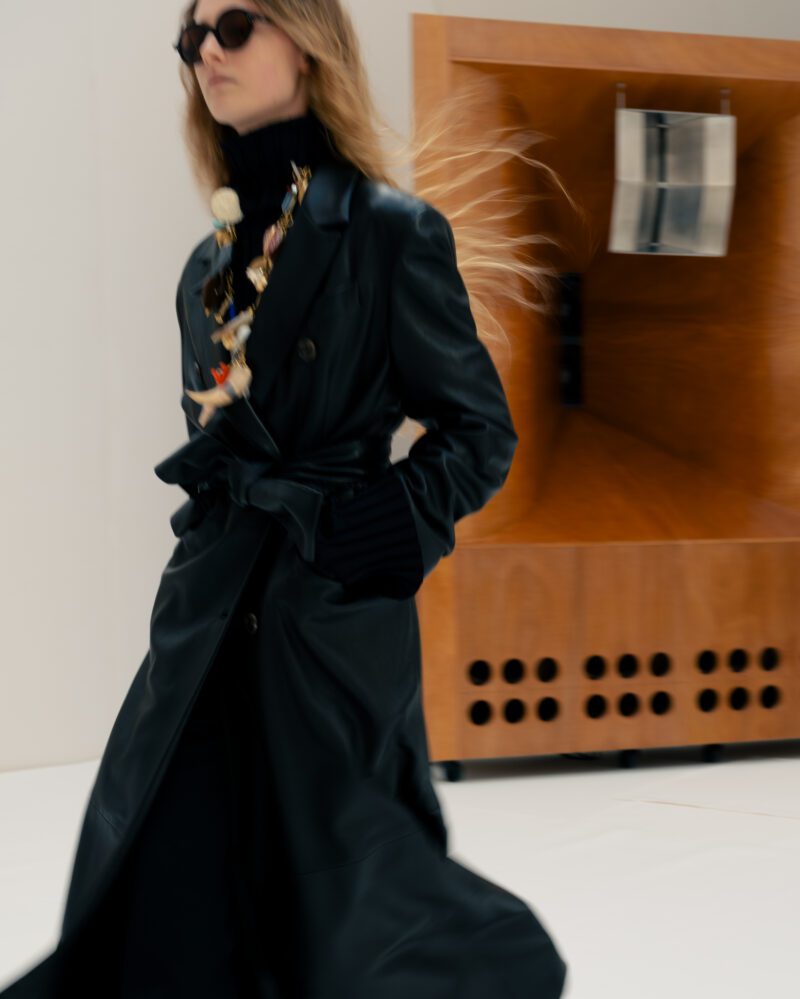
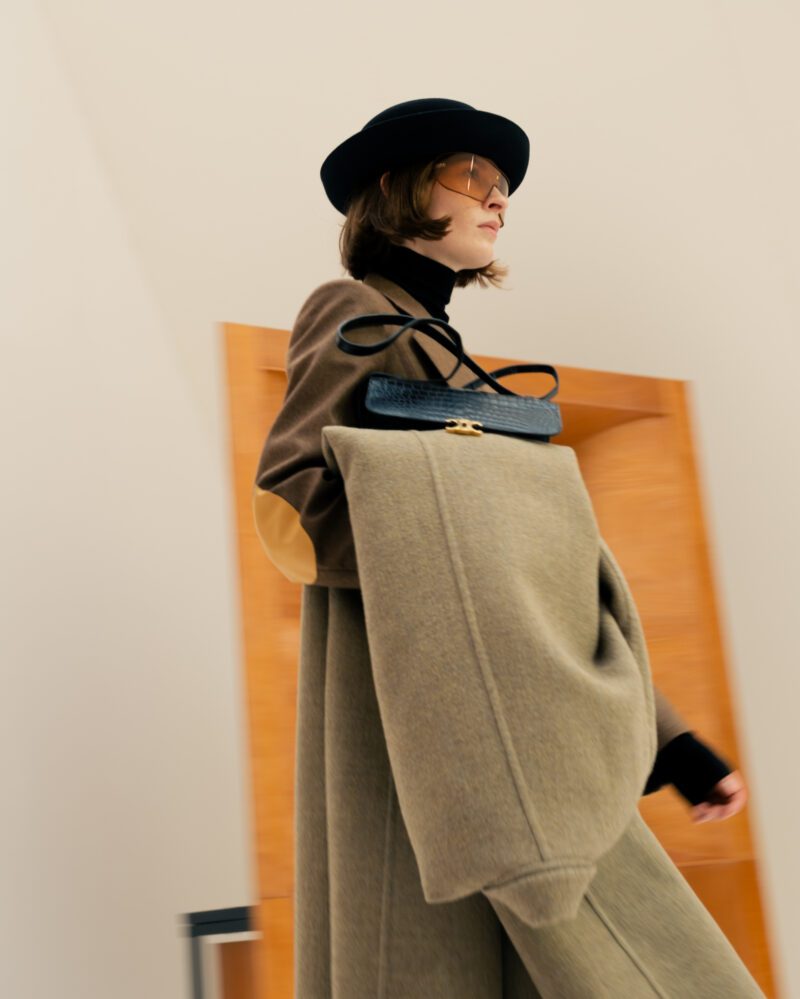
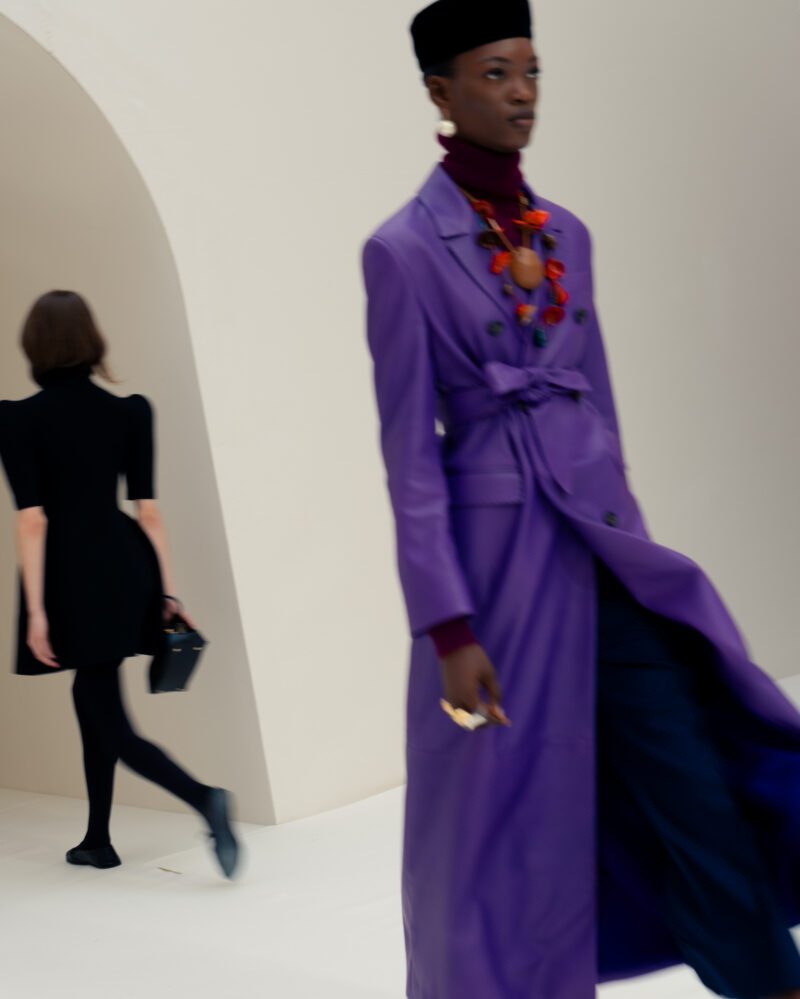

There was an obvious push-and-pull of polish against imperfection. Overall, bourgeois wardrobe: yes, but one that had picked up a certain bite. If Rider’s earliest outings leaned into a Franco-American preppy ease, this season introduced a more metropolitan mood: brisk, intellectual and faintly rebellious.
In the broader context of Paris this week, where many designers explored heightened drama or couture theatrics, Rider’s approach felt almost radical in its composure – he embraced the norm found on the streets. The clothes suggested character rather than costume. You could imagine his customer cycling across the Left Bank, or a gallery director hurrying between openings. He designs for people with lives, schedules, and places to be.

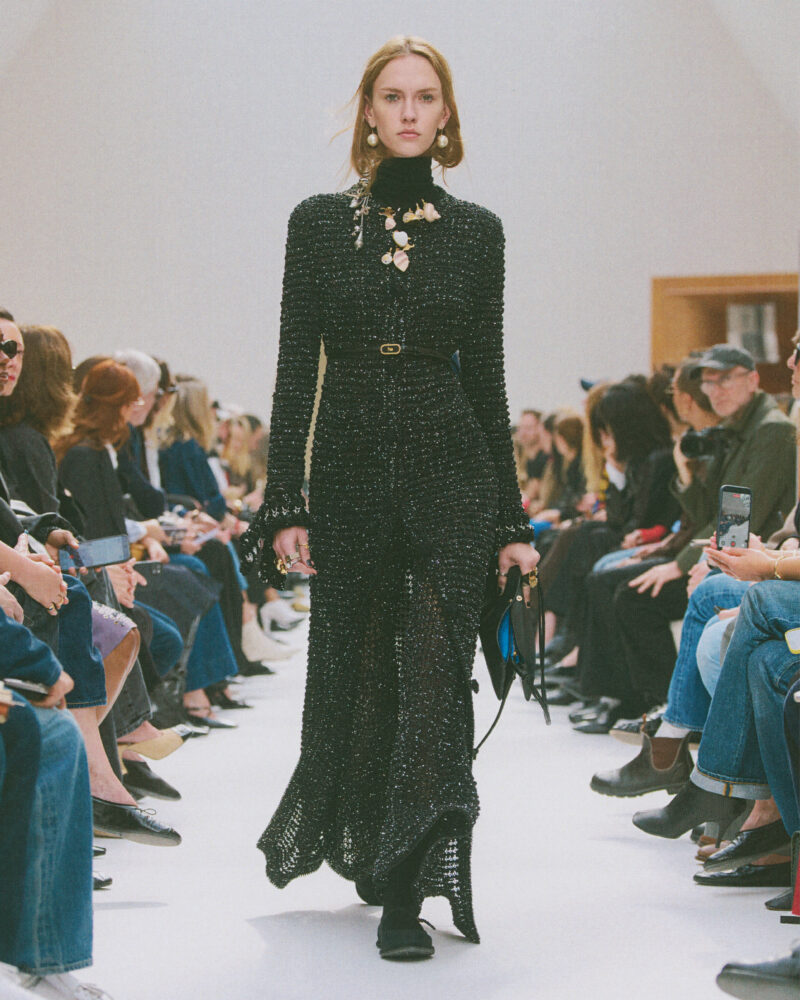
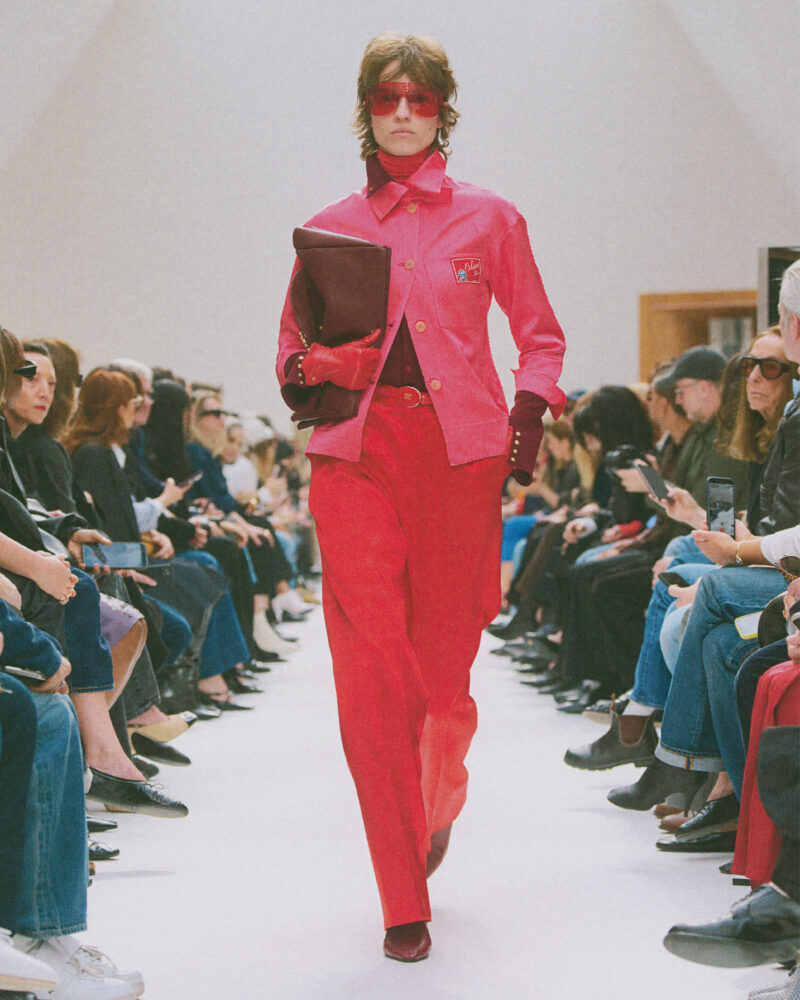
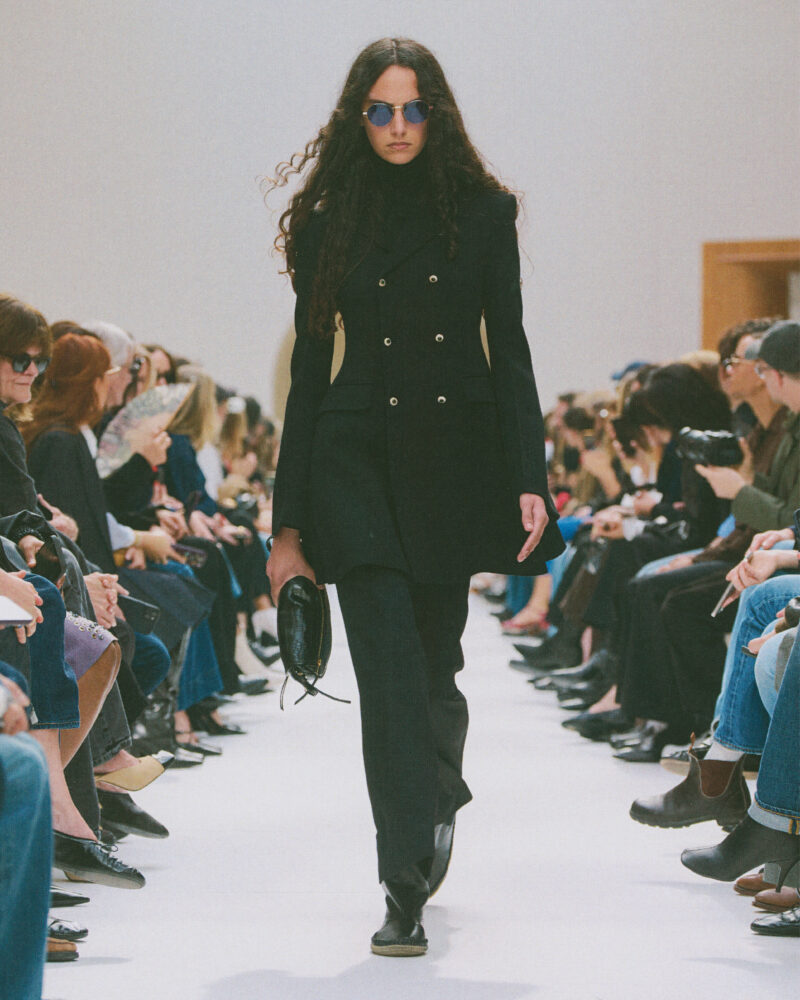
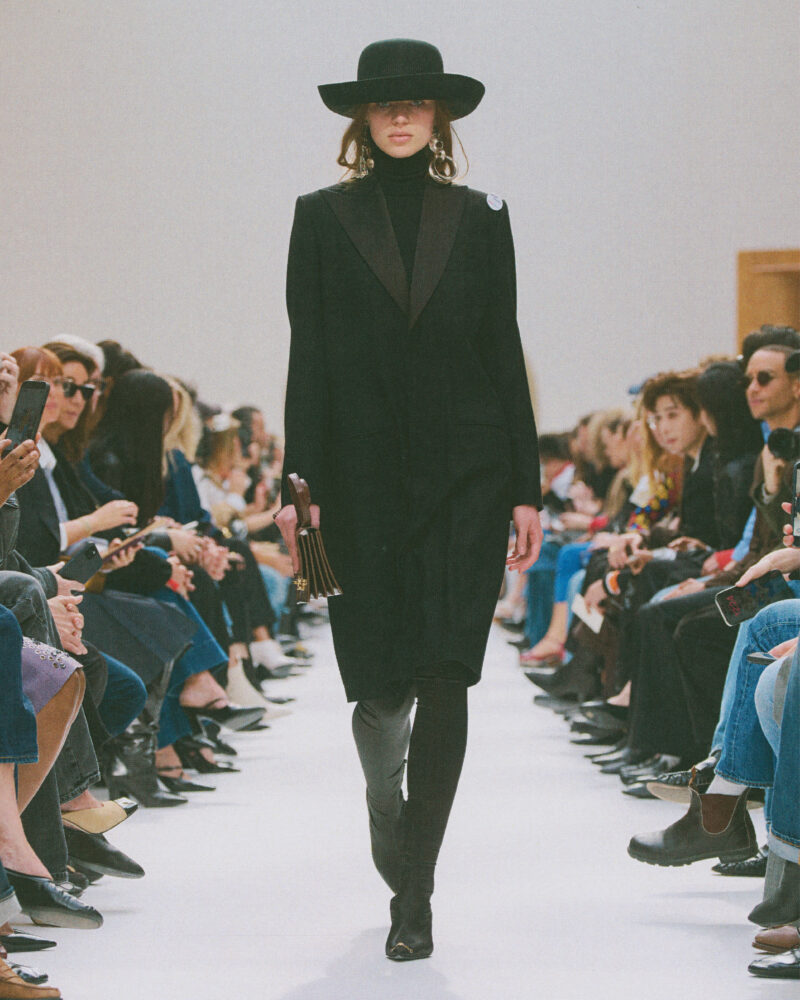
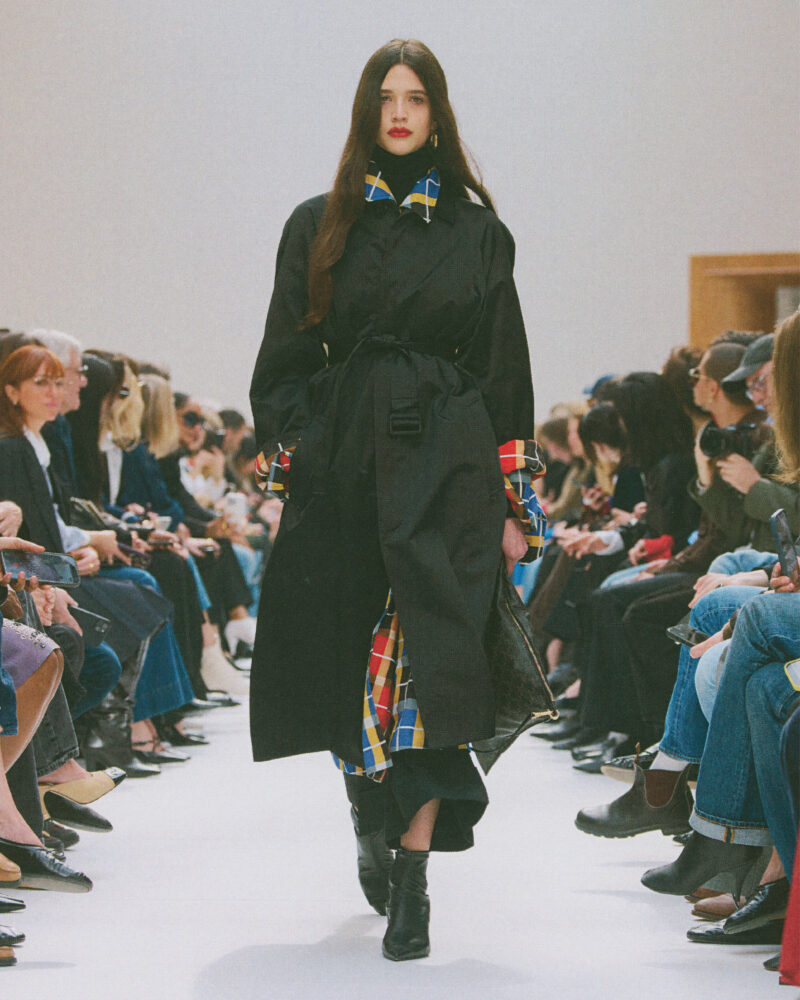
The lineage of the house was present but reframed. The rational minimalism associated with Phoebe Philo hovered in the discipline of tailoring, while the ghost of Hedi Slimane flickered in moments of attitude. Rider, however, appears less interested in echoing either of his predecessors than in quietly recalibrating the Celine buyer altogether.
The result was a fashion that felt grown-up yet modern: thoughtful, controlled, and increasingly assured. If this is the new bourgeoisie, then its time to trade politeness for precision.
by Imogen Clark